
Akiri Books in Order
Part ofBrian D Anderson Books in OrderSee the Akiri books in order by Brian D Anderson, with short summaries, series background, and a quick guide to this fast, brutal sword-and-sorcery series.
Last updated:
As an Amazon Associate, we earn from qualifying purchases (at no extra cost to you).
Akiri books in publication order
3 books

The Scepter of Xarbaal
by Brian D Anderson
2016
The cursed Scepter of Xarbaal has already driven a king toward madness and war. Now Akiri, the ruler's deadliest servant, is sent to recover it and begins to discover that strength alone will not decide his fate.

Dragonbane
by Brian D Anderson
2017
A plea for help leads Akiri and Kyra into the mountains, where they find a village destroyed and a boy hunted by something raised from the dead. To stop a rising necromantic evil, Akiri may have to cross into the realm of death itself.
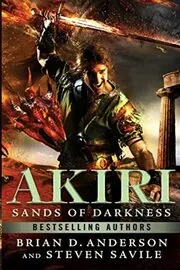
Sands of Darkness
by Brian D Anderson
2017
Traveling east with Kyra, Akiri is drawn into a plague-haunted kingdom where a cult is taking innocents for blood sacrifice. Saving one child could mean stopping the return of the old gods and a new ruin for the world.
Akiri books in chronological order
Series background & context
The Akiri books, written by Brian D. Anderson with Steven Savile, lean hard into sword-and-sorcery. They are faster, bloodier, and more stripped down than Anderson's larger epic fantasies, but they still care about character, loyalty, and the long shadow cast by power. At the center is Akiri, a warrior shaped from childhood into a weapon by a ruler who has every reason to fear free will.
The setup is strong and a little cruel. King Zemel gains possession of the Scepter of Xarbaal, a cursed relic tied to death and madness. After the scepter is stolen, he murders the man who hid it and raises that man's son, Akiri, as his own instrument. Through dark magic and an Oathstone, Akiri is bound to Zemel and granted extraordinary ability. He is faster, stronger, deadlier than almost anyone around him, but he is also living inside a version of loyalty that was engineered rather than chosen.
That tension gives the series its real bite. Akiri starts out as the sort of warrior who can push through almost anything with skill, will, and sheer violence. What he lacks is a clear sense of who he is when he is not taking orders. As the books move through deserts, kingdoms, mountain passes, and places touched by very old evil, he is forced to confront pieces of his past, the truth about the gods, and the possibility that his destiny may belong to him after all. Kyra becomes an important part of that shift, not as decoration, but as someone who challenges his isolation and helps widen the story beyond a single fighter cutting his way through enemies.
This is a world full of harsh rulers, cursed objects, ancient powers, cults, monsters, and divine interference. The gods are not distant background figures. They press on the world directly, and that means Akiri's personal struggle is always tied to something larger. He can never fully escape the feeling that he is being watched, used, or maneuvered by forces that see human lives as pieces on a board.
Freedom is the real battle.
In tone, Akiri feels closer to old school heroic fantasy than to modern political epic. The action is physical and frequent. The settings are vivid in a hard, sun-blasted way. The books like momentum, danger, and moral pressure more than intricate court maneuvering. But beneath all the swordplay is a very readable question: what happens when a man built to serve begins to decide for himself?
If that sounds like your kind of fantasy, this series gets to the point quickly and keeps moving.














Edited by
Software engineer whose passion for tracking book recommendations from podcasts inspired the creation of MRB.
Lead investor at 3one4 Capital whose startup expertise and love for books helped shape MRB and its growth.
Comments
Did we miss something? Have feedback?
Help us improve this page by sharing your thoughts