
7 Best Shark Books
The best shark books, ranked by how many expert sources recommend each one, with notes on who they suit, from natural history readers to thriller fans.
Our take
Shark books offer several different kinds of reading. You can learn about the animals themselves, follow researchers at sea, explore human fears and conservation problems, or settle into a fictional disaster. Those interests overlap, but a frightening encounter story answers different questions from a book about evolution or anatomy.
The Encyclopedia of Sharks suits browsing and visual learning, while The Secret History of Sharks takes a longer view through fossils and scientific discoveries. Demon Fish turns toward the cultures and industries that shape sharks' lives. For a more personal account of research, The Devil's Teeth follows a journalist into the world of great-white specialists. Close to Shore reconstructs a historical panic, and Jaws builds a fictional one. Motherfucking Sharks takes the premise into deliberately grotesque fantasy. Start with the illustrated reference for the animals, or Close to Shore if a human story is your way in.
7 books · 7 sources · Last updated
As an Amazon Associate, we earn from qualifying purchases (at no extra cost to you).
How to choose from this list
Skip to the full rankingIf you want to understand the animals: The Encyclopedia of Sharks → The Secret History of Sharks
If you want people and conservation: Demon Fish → The Devil's Teeth
If you want historical suspense: Close to Shore
If you want fictional horror: Jaws → Motherfucking Sharks
The 7 books, ranked
Ranked by how many expert sources name each book. Ties go to the book more people recommend.

For readers who want history with the momentum of a thriller. Capuzzo places the attacks inside the beach culture and anxieties of 1916, though the period detail can slow readers looking mainly for shark biology.
What it's about
Michael Capuzzo reconstructs the shark attacks that struck New Jersey in 1916, placing victims, beach communities, and investigators within their historical setting. The narrative follows escalating fear and the search for the animal responsible for the attacks.
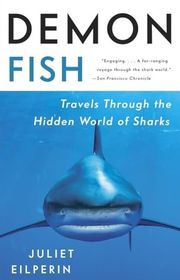
Demon Fish
For readers who want to understand how people value, exploit, and protect sharks around the world. Eilperin connects culture and conservation more directly than the attack narratives here, though it is not a species identification guide.
What it's about
Juliet Eilperin explores relationships between sharks and human communities, from cultural traditions to fishing and the shark-fin trade. Reporting across several countries, she examines the economic interests and conservation questions surrounding these often misunderstood animals.

The Devil's Teeth
A True Story of Obsession and Survival Among America's Great White Sharks
For readers drawn to fieldwork, isolated places, and the people studying great whites. Casey's personal involvement makes this more intimate than a reference book, though her presence and decisions become a substantial part of the story.
What it's about
Susan Casey visits the Farallon Islands off San Francisco, where researchers study great white sharks. Her account follows the scientists' work and daily lives in an isolated environment while examining the sharks and her growing fascination with them.

Jaws
For readers curious about the novel behind the film and its tensions around money, class, and public safety. It offers more human conflict than a straightforward creature thriller, though the sexual politics have aged poorly.
What it's about
A giant great white begins killing swimmers off Amity, a resort town that depends on summer crowds. As police chief Martin Brody fights pressure to keep the beaches open, the hunt becomes a brutal test of nerve, money, and survival.

Motherfucking Sharks
For readers who want sharks as an excuse for surreal horror rather than realistic sea adventure. Carr's strange western setting distinguishes it from the thrillers here, though the grotesque violence and absurdity demand a strong stomach.
What it's about
A tattooed stranger warns a struggling ghost town that magical flying sharks are approaching with a storm. This surreal western blends grotesque violence, dark humor, and lyrical passages as the townspeople face an extraordinary threat.

The Encyclopedia of Sharks
For readers who want an illustrated overview they can browse by subject. Photographs and diagrams make anatomy and behavior approachable, though this older reference is less suitable for checking current species classifications or conservation assessments.
What it's about
Steve Parker surveys shark evolution, anatomy, senses, behavior, and reproduction through photographs, diagrams, maps, and species profiles. The illustrated reference examines how sharks hunt and survive, while addressing popular misconceptions and threats to their conservation.
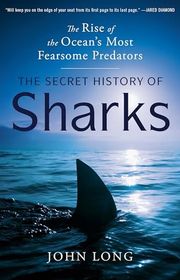
The Secret History of Sharks
For readers ready to explore shark evolution beyond familiar living species. Long explains fossil discoveries and the research behind them, though its substantial sweep through deep time takes more commitment than an illustrated introductory guide.
What it's about
Paleontologist John Long traces the evolution of sharks through fossil discoveries and the scientists who study them. The account connects ancient species, changing environments, and survival across mass extinctions with questions about the future of living sharks.
Sources
- 1
You’re Gonna Need a Bigger Boat: 15 Great Books for Shark Week
bookriot.com
- 2
The 23 Best Shark Books of All Time
parade.com
- 3
The Top 10 Shark Books (that are in my house) Just in Time for Shark Week!
litreactor.com
- 4
The 10 Best Books About Sharks — Reviewed and Ranked
a-z-animals.com
- 5
The Best Shark Books
sharkdatalab.com
- 6
Best shark books for adults?
reddit.com
- 7
Sharks Books
goodreads.com








Edited by
Software engineer whose passion for tracking book recommendations from podcasts inspired the creation of MRB.
Lead investor at 3one4 Capital whose startup expertise and love for books helped shape MRB and its growth.
Comments
Did we miss something? Have feedback?
Help us improve this page by sharing your thoughts