
7 Best Adoption Books
The best adoption books, ranked by how many expert sources recommend each one, with notes for choosing parenting guides, adoptee perspectives, and children’s stories.
Our take
Adoption books can explore parenting, identity, family relationships, and the experiences of people who were adopted. Those perspectives serve different purposes. A practical parenting guide can help adults think about daily interactions, while an adoptee's memoir offers a personal account of belonging, race, and family history. A picture book creates another kind of opportunity: sharing a story with a child.
The Connected Child concentrates on relationships and behavior, and Twenty Things Adopted Kids Wish Their Adoptive Parents Knew encourages attention to feelings adults may overlook. Being Adopted takes a broader developmental view, while The Open-Hearted Way to Open Adoption examines relationships with birth relatives. All You Can Ever Know and "You Should Be Grateful" bring adult adoptee perspectives into the conversation. Tell Me Again About the Night I Was Born is intended for reading with young children. Start with the perspective you most want to understand, and consider pairing a parenting guide with an adoptee's own account.
7 books · 8 sources · Last updated
As an Amazon Associate, we earn from qualifying purchases (at no extra cost to you).
How to choose from this list
Skip to the full rankingIf you want relationship-centered parenting guidance: The Connected Child
If you want to understand lifelong experiences: Being Adopted → Twenty Things Adopted Kids Wish Their Adoptive Parents Knew
If you're thinking about birth-family relationships: The Open-Hearted Way to Open Adoption
If you want adult adoptee perspectives: All You Can Ever Know → "You Should Be Grateful"
If you want a picture book to share: Tell Me Again About the Night I Was Born
The 7 books, ranked
Ranked by how many expert sources name each book. Ties go to the book more people recommend.

All You Can Ever Know: A Memoir
For readers who want an adult adoptee's perspective on race, belonging, and family history. Chung's personal narrative gives those questions emotional specificity, though one Korean American woman's experience cannot stand in for the many different forms adoption takes.
What it's about
Nicole Chung reflects on growing up as a Korean adoptee in a white American family and on her search for her birth relatives. Her memoir connects questions about identity, race, and belonging with the experience of becoming a parent herself.
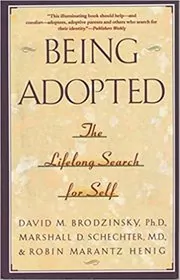
For readers who want adoption understood across a whole life. Its developmental perspective connects childhood questions with adult identity and relationships, though the psychological analysis and publication context make it less immediate than a contemporary personal account.
What it's about
David Brodzinsky and his coauthors explore how adoption shapes people's experiences across their lives. Voices of adoptees and adoptive parents accompany psychological analysis of development, identity, relationships, and loss, offering a perspective that extends beyond childhood into adulthood.
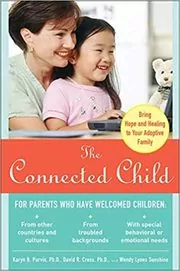
For adoptive parents who want a relationship-centered approach to difficult behavior. Its emphasis on trust and understanding needs gives practical guidance a clear organizing idea, though the parenting focus offers less of the adult adoptee perspective found in memoirs.
What it's about
Karyn Purvis, David Cross, and Wendy Lyons Sunshine offer parenting guidance for adoptive families facing attachment and behavioral challenges. They explain approaches to building trust, understanding children's needs, and responding to difficult behavior, with an emphasis on strengthening family relationships.
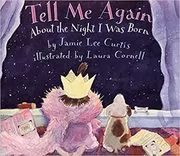
Tell Me Again About the Night I Was Born
For families looking for a warm picture book to share with a young child. The repeated request makes a family story approachable, though its newborn-adoption scenario will not reflect every child's history or the full range of adoption experiences.
What it's about
A young girl asks her parents to retell the story of the night she was born and became part of their family. Jamie Lee Curtis's text and Laura Cornell's illustrations celebrate adoption through a familiar tale the child loves hearing again.
Twenty Things Adopted Kids Wish Their Adoptive Parents Knew
For parents who want to consider feelings their child may not readily express. Eldridge makes loss, identity, and birth-family questions easier to discuss, though the twenty-item framework should leave room for experiences that do not fit its categories.
What it's about
Sherrie Eldridge draws on adoptees' experiences to examine emotional issues that adoptive parents may struggle to recognize. Personal stories, case histories, and practical suggestions address loss, grief, birth-family information, and supporting children as they develop their sense of identity.

"You Should Be Grateful": Stories of Race, Identity, and Transracial Adoption
For readers interested in transracial adoption and the expectations placed on adoptees. Tucker combines personal experience with other adoptees' stories to broaden the discussion, though its particular focus offers less practical coverage of the adoption process or parenting techniques.
What it's about
Angela Tucker examines transracial adoption through her experience as a Black woman adopted by white parents and through other adoptees' accounts. She explores race, identity, belonging, and the pressure to express gratitude when adoption stories are told primarily by others.
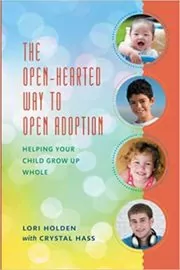
For parents who want to think carefully about birth-family relationships and openness. Holden connects practical conversations with a child's developing sense of identity, though the approach requires adaptation to the people, histories, and circumstances involved.
What it's about
Lori Holden, with input from birth mother Crystal Hass, explores open adoption from a child's perspective. Family experiences and practical tools address relationships with birth relatives, boundaries, difficult conversations, and ways to support adopted children's understanding of their own histories.
Sources
- 1
Utah's Adoption Connection | Recommended Reading
utahadopt.org
- 2
American Adoptions - 20 of the Best Adoptee Books To Read Today
americanadoptions.com
- 3
Adoption Books
goodreads.com
- 4
Book recs! : r/Adoptees
reddit.com
- 5
Any book recommendation ? : r/Adopted
reddit.com
- 6
Best Books for Adoptive Parents or Those Considering Adoption
creatingafamily.org
- 7
Adoption Resources - The Barker Adoption Foundation
barkeradoptionfoundation.org
- 8
6 Adoption Books To Read, Recommend By Adoptive Parents
romper.com
Edited by
Software engineer whose passion for tracking book recommendations from podcasts inspired the creation of MRB.
Lead investor at 3one4 Capital whose startup expertise and love for books helped shape MRB and its growth.
Comments
Spotted a missing book, a wrong order or a mistake? Tell us and we'll fix this page.
We're a reading guide, not the author or publisher, so we can't send books or pass on messages.