
Victor Davis Hanson Books in Order
Browse Victor Davis Hanson's books in order, with short summaries, background on his classical and political writing, plus tips on where to start reading.
Last updated: June 7, 2026
As an Amazon Associate, we earn from qualifying purchases (at no extra cost to you).
Publication Order
28 books
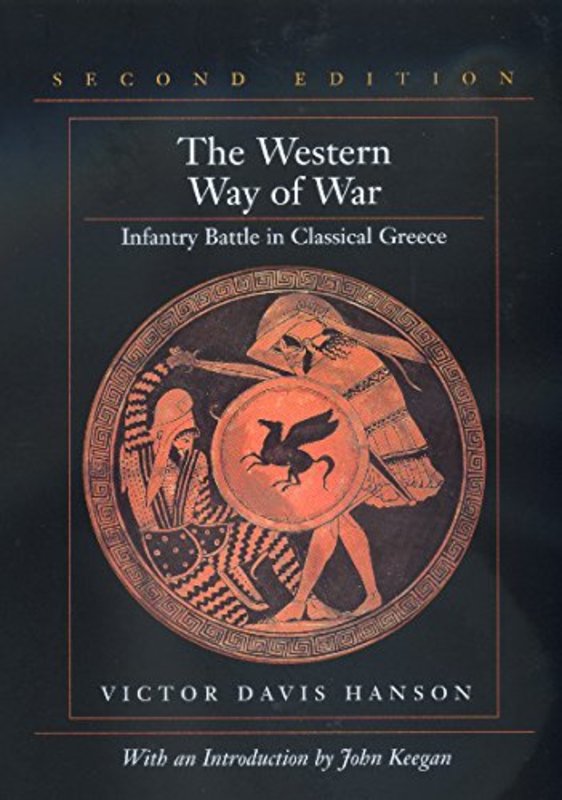
The Western Way of War
by Victor Davis Hanson
1989
This classic study reconstructs how Greek hoplite battles worked from the infantryman’s point of view. It explores armor, formations, fear, and the link between decisive shock combat and the rise of citizen-based politics in the ancient polis.
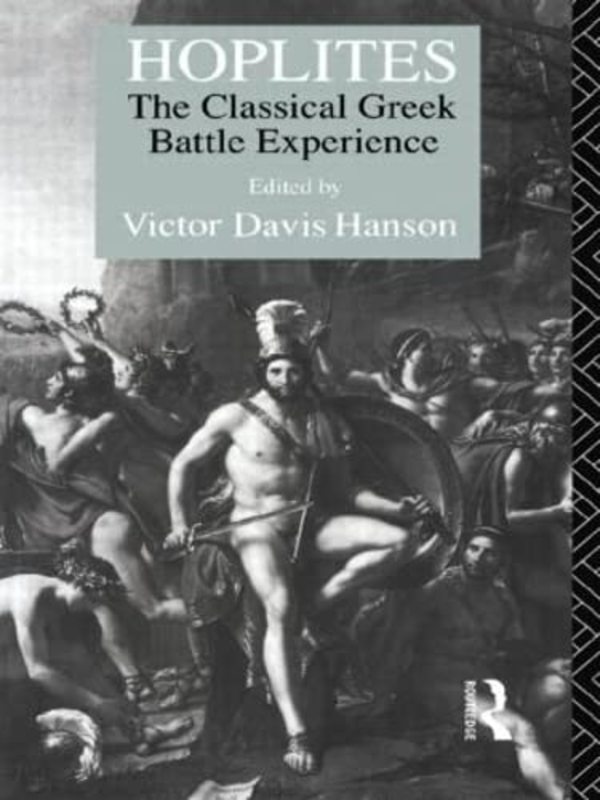
Hoplites
by Victor Davis Hanson
1991
An edited collection of essays that recreates the experience of Greek hoplite soldiers on the battlefield. Drawing on archaeology, art, and texts, it examines formations, equipment, drill, and ritual to show how citizen-soldiers fought and endured close combat.
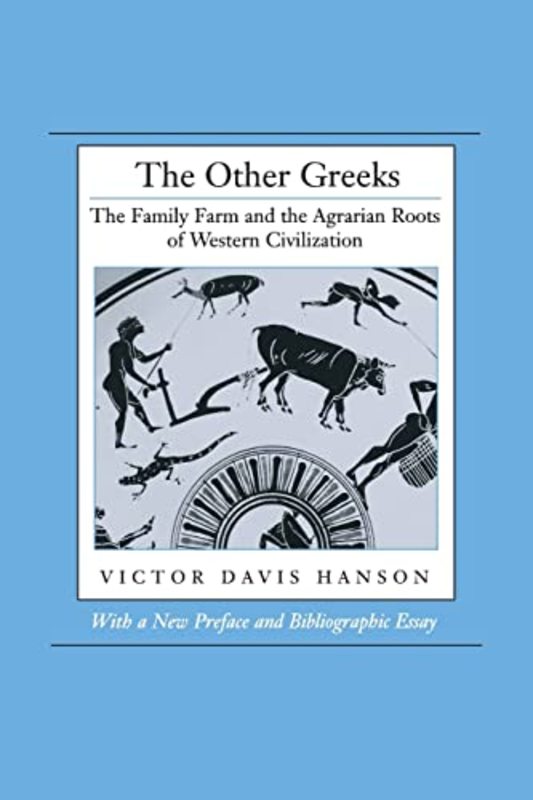
The Other Greeks
by Victor Davis Hanson
1995
Hanson argues that small independent farmers, not urban elites, were the real engine behind the rise of the Greek polis. The book traces how agrarian life shaped Greek laws, warfare, and ideas of citizenship across the archaic and classical ages.

Fields Without Dreams
by Victor Davis Hanson
1996
A memoir of life on a struggling raisin and fruit farm in California’s Central Valley, paired with a defense of the small family farm. Hanson chronicles economic pressures, hard labor, and what is lost when agrarian communities disappear.
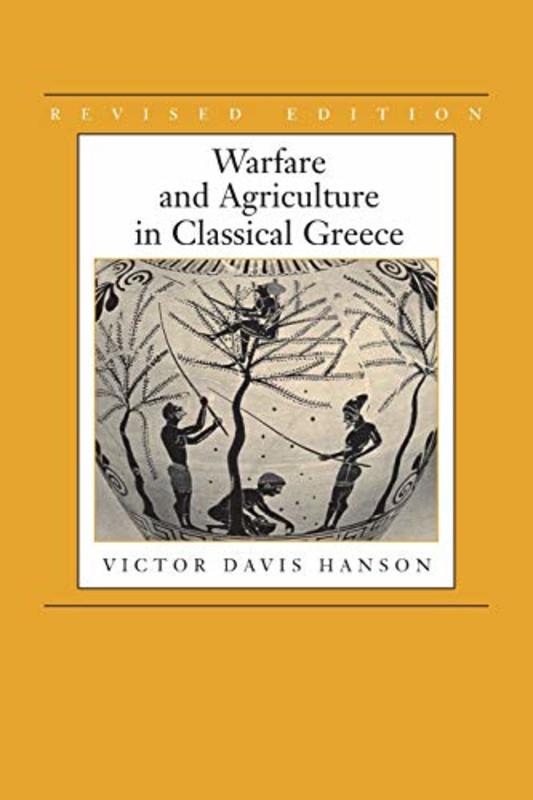
Warfare & Agriculture in Classical Greece
by Victor Davis Hanson
1998
Based on Hanson’s doctoral research, this study investigates how ancient Greek warfare affected farms and rural life. It challenges the assumption that crop burning and raids caused lasting devastation, emphasizing instead the resilience of farmers and the political uses of ravaging.
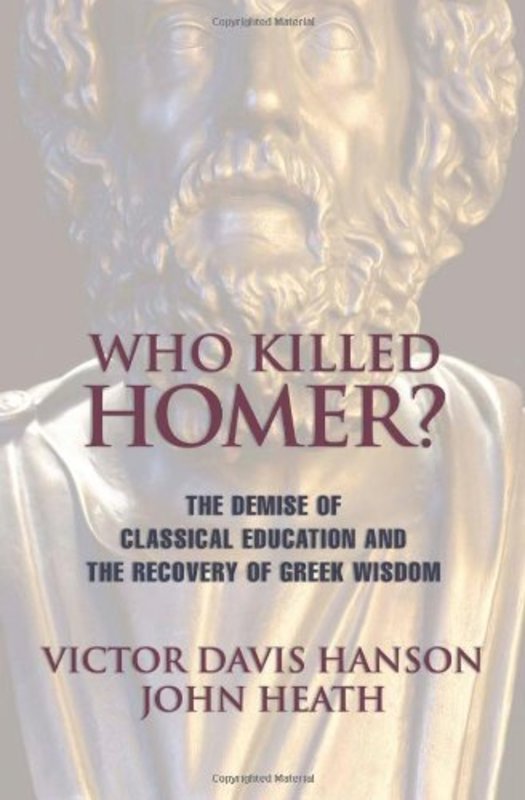
Who Killed Homer
by Victor Davis Hanson
1998
Co-written with John Heath, this polemic asks why classical education has withered in American schools and universities. The authors attack academic fads and careerism and argue for bringing Greek literature and history back to the center of civic education.
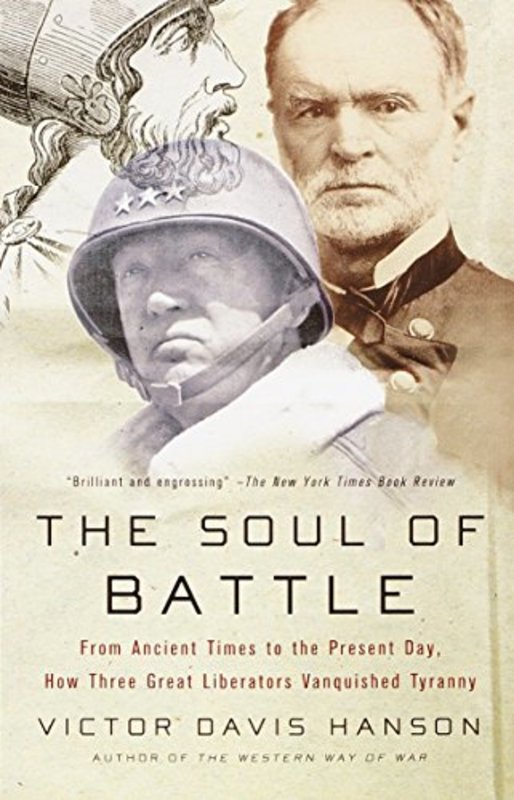
The Soul of Battle
by Victor Davis Hanson
1999
Through the campaigns of Epaminondas, William Tecumseh Sherman, and George S. Patton, Hanson explores how democratic societies can create devastating armies in short bursts. He focuses on citizen-soldiers, charismatic leadership, and the moral purpose behind three wars against slavery and tyranny.
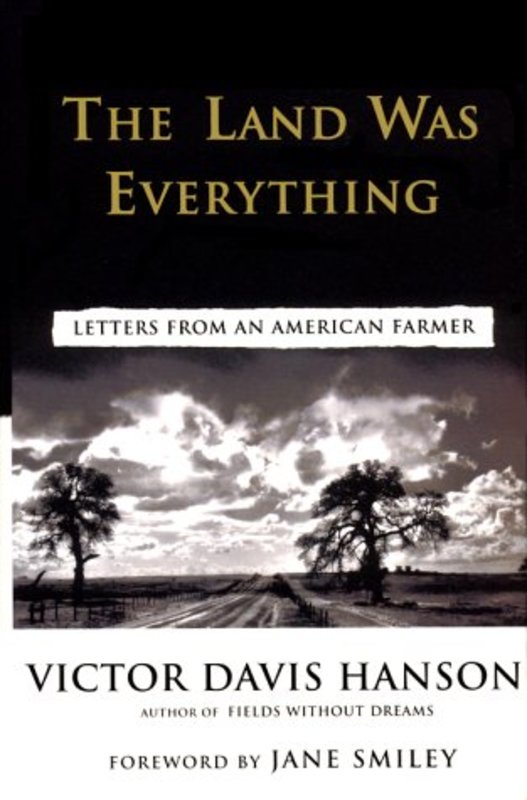
The Land Was Everything
by Victor Davis Hanson
2000
In this companion to Fields Without Dreams, Hanson writes a series of letters and essays from the family farm. He describes droughts, pests, regulations, and markets while arguing that small-scale farming fosters independence, stoicism, and a distinct kind of American civic character.
Bonfire of the Humanities
by Victor Davis Hanson
2001
With John Heath and Bruce Thornton, Hanson expands the arguments of Who Killed Homer into a broader critique of the humanities. The authors condemn jargon-heavy scholarship and ideological fashion, urging classicists to write clearly, teach undergraduates, and reconnect with a general reading public.
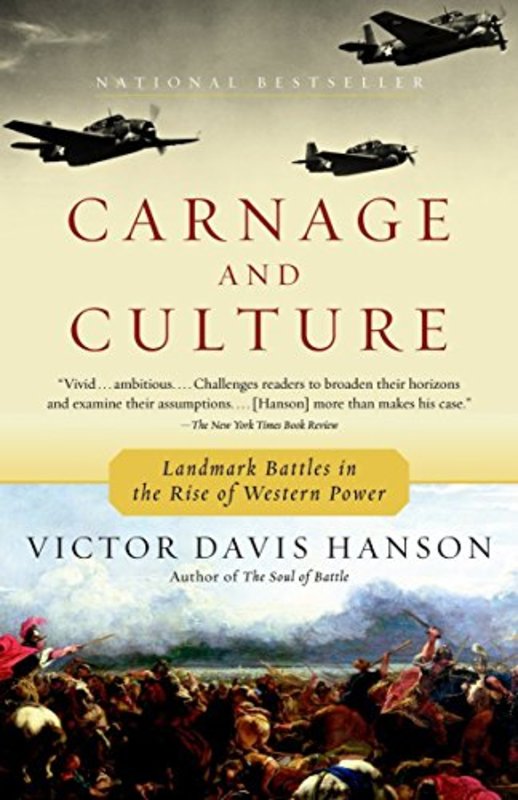
Carnage and Culture
by Victor Davis Hanson
2001
Using nine landmark battles from Salamis and Cannae to Midway and the Tet Offensive, Hanson argues that Western military success grows from cultural habits like citizenship, discipline, and open debate. Each chapter pairs vivid battle narrative with a larger claim about Western warfare.
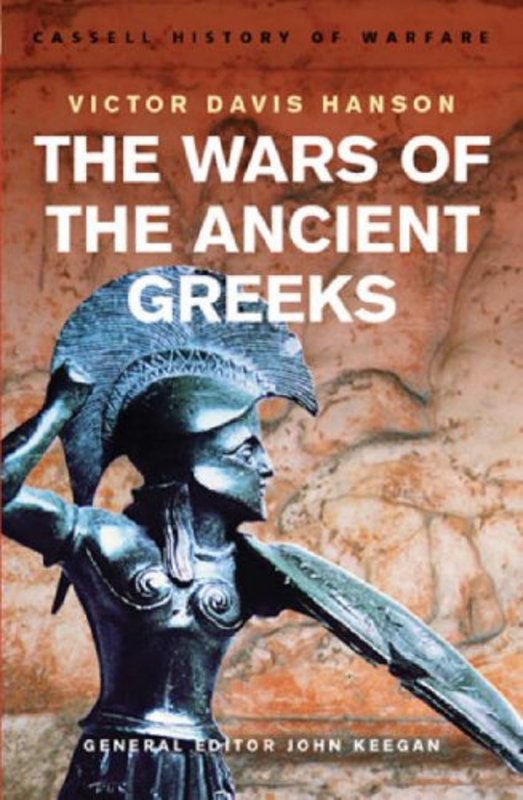
The Wars Of The Ancient Greeks
by Victor Davis Hanson
2002
This illustrated survey covers a millennium of Greek warfare, from hoplite clashes between city-states to Alexander the Great’s conquests. Hanson explains how Greek ideas about citizenship, tactics, and technology created a distinctive military culture that influenced later Western armies.
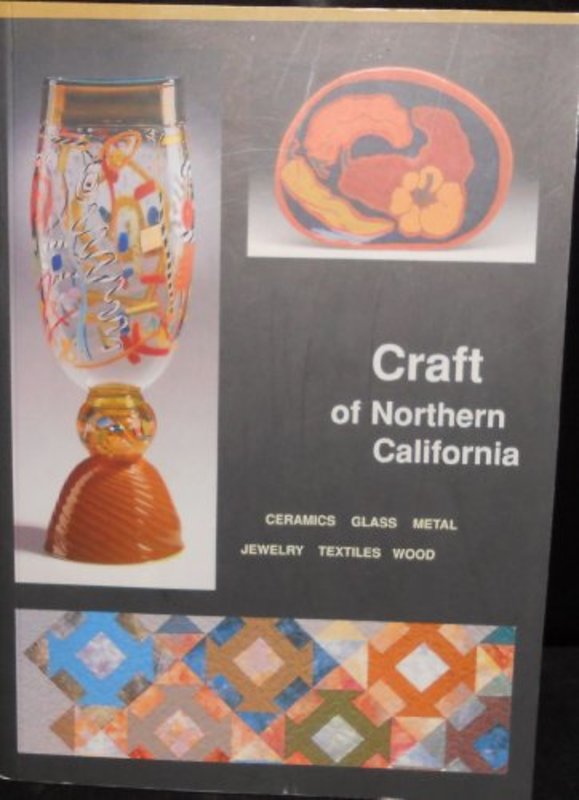
Craft of Northern California
by Victor Davis Hanson
2003
An art book showcasing Northern California craftspeople working in ceramics, glass, metal, jewelry, textiles, and wood. Profiles and photographs highlight individual makers, their studios, and the regional styles that emerged in the postwar studio-craft movement.
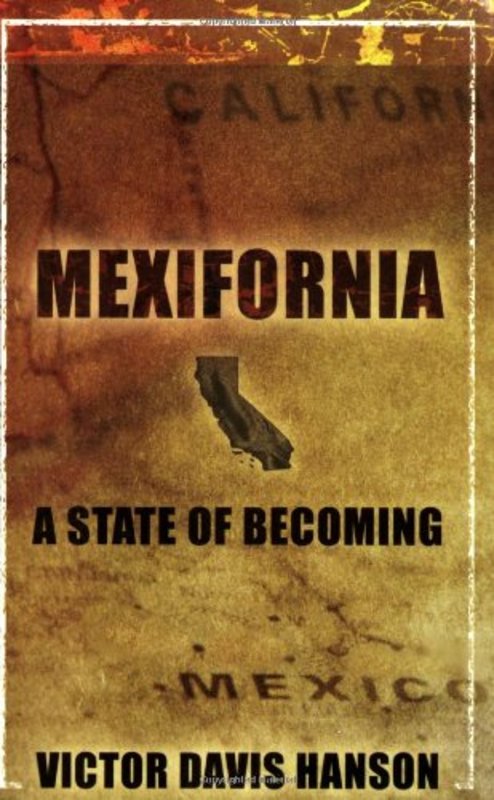
Mexifornia
by Victor Davis Hanson
2003
Part memoir, part social commentary, this book examines the impact of large-scale immigration from Mexico on California’s Central Valley. Hanson mixes local stories, history, and policy critique to argue for assimilation, secure borders, and a renewed 'melting pot' ideal.
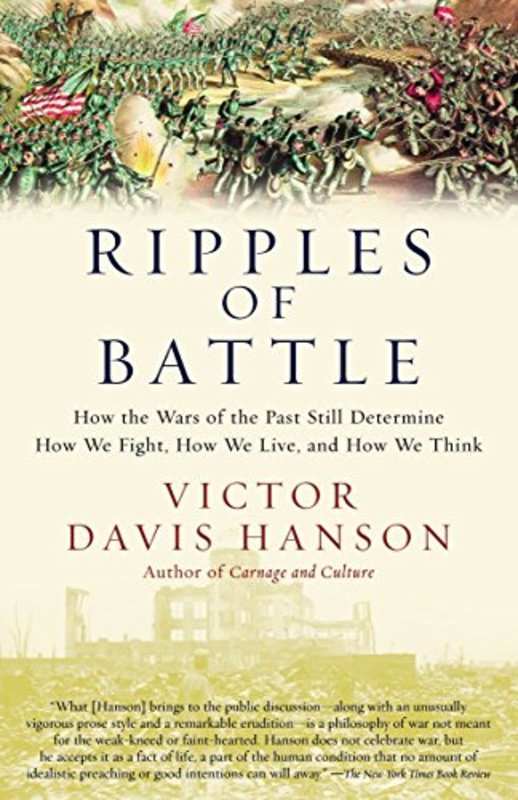
Ripples of Battle
by Victor Davis Hanson
2003
Hanson traces how three brutal battles—Delium, Shiloh, and Okinawa—reshaped culture far beyond their immediate casualties. Moving between tactics, personal stories, and later art and politics, he shows how the experience of combat echoes through generations.
Between War and Peace
by Victor Davis Hanson
2004
A follow-up collection to An Autumn of War, these essays track the war on terror from Afghanistan into Iraq and beyond. Hanson analyzes strategy, alliance politics, and debates at home, arguing that democratic societies must confront jihadist terrorism with clarity and resolve.
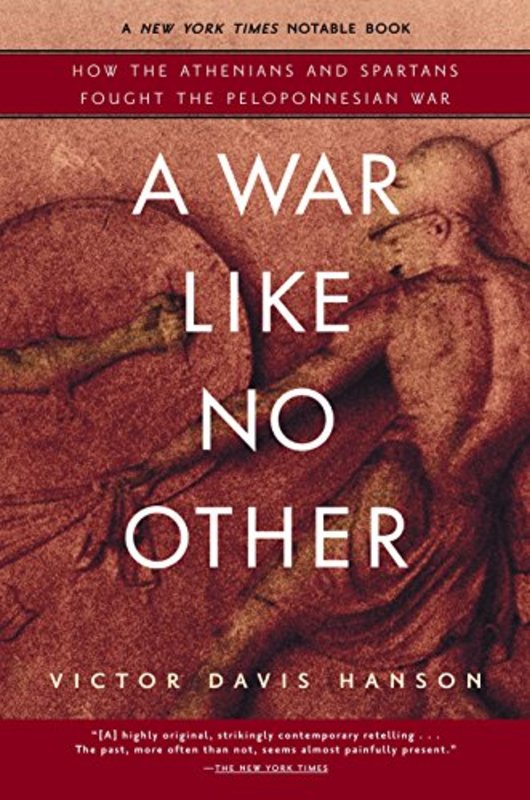
A War Like No Other
by Victor Davis Hanson
2005
A thematic history of the Peloponnesian War, organized around how the Athenians and Spartans actually fought—at sea, on land, under siege, and through terror. Hanson links Thucydides’ narrative to modern conflicts and highlights how the long war exhausted the Greek city-states.
An Autumn of War
by Victor Davis Hanson
2007
Written in the months after September 11, 2001, these essays argue that the United States faced a long, unavoidable war with Islamist terrorism. Hanson uses examples from classical and modern history to challenge myths about Afghanistan, air power, and American responsibility.
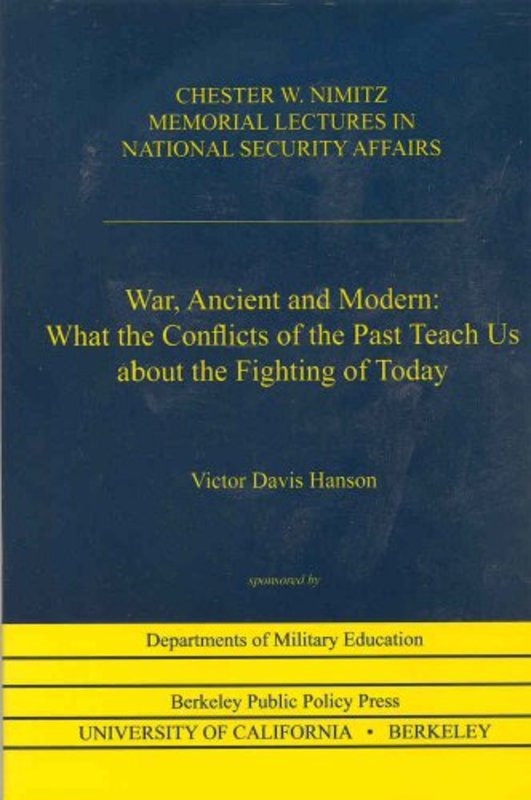
War, Ancient and Modern
by Victor Davis Hanson
2008
Here Hanson revisits the Peloponnesian War as a case study in how democracies and oligarchies wage protracted conflict. He analyzes strategy, plague, finance, and battlefield tactics and then draws parallels to modern wars from World War II to Vietnam.

How the Obama Administration Threatens Our National Security
by Victor Davis Hanson
2009
This brief polemic contends that President Obama’s foreign policy replaces deterrence with apology and retreat. Hanson warns that adversaries in Iran, Russia, and China may read American restraint as weakness, inviting aggression and long-term strategic setbacks.
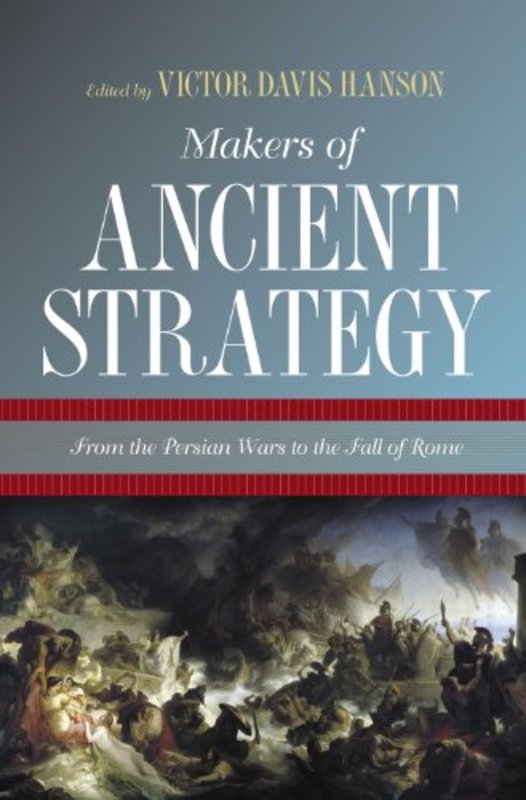
Makers of Ancient Strategy
by Victor Davis Hanson
2010
As editor, Hanson assembles scholars to examine how Greek and Roman leaders—from Epaminondas and Pericles to Caesar—used preemption, counterinsurgency, and urban warfare. The essays draw connections between ancient campaigns and contemporary strategic problems such as terrorism and regime change.
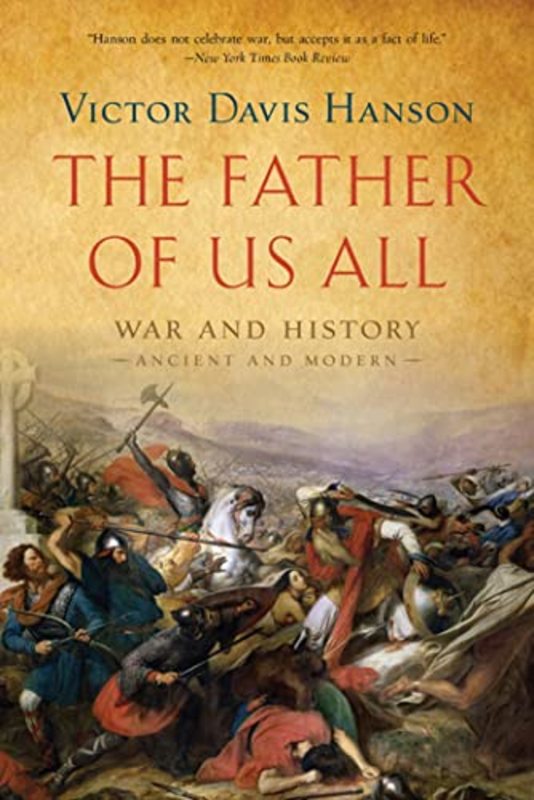
The Father of Us All
by Victor Davis Hanson
2010
This collection of revised essays ranges from ancient Greece to modern America, asking why war recurs and how free societies should think about it. Hanson defends the value of military history and explores what makes the 'American way of war' distinctive.
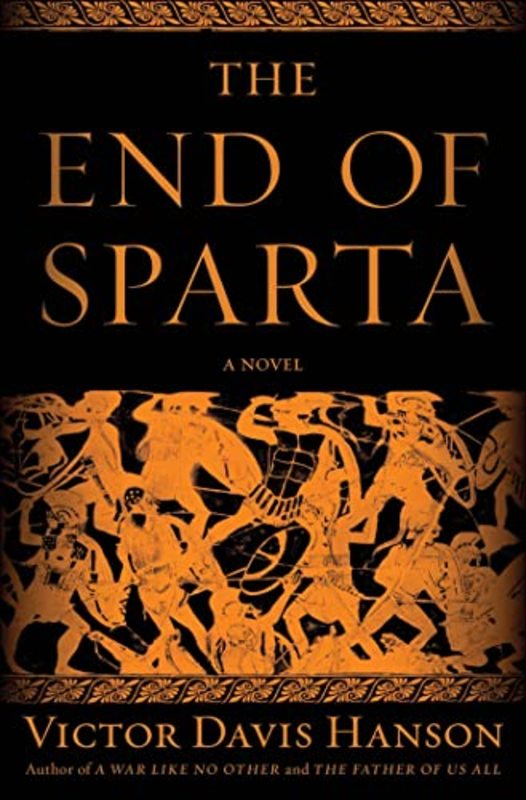
The End of Sparta
by Victor Davis Hanson
2011
Set during the Battle of Leuktra, this novel follows the farmer Mêlon as he leaves his fields to join Theban general Epaminondas in a risky march against Sparta. Hanson blends close-up combat, politics, and the fate of enslaved helots.
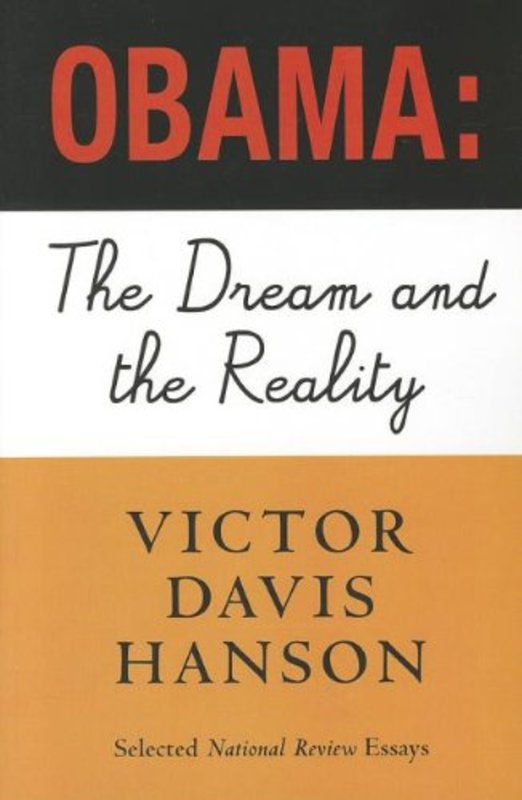
Obama
by Victor Davis Hanson
2012
Subtitled Obama: The Dream and the Reality, this volume gathers Victor Davis Hanson’s National Review essays on Barack Obama’s rise and presidency. He contrasts early hopes with later policy debates on foreign affairs, the economy, health care, and cultural polarization.
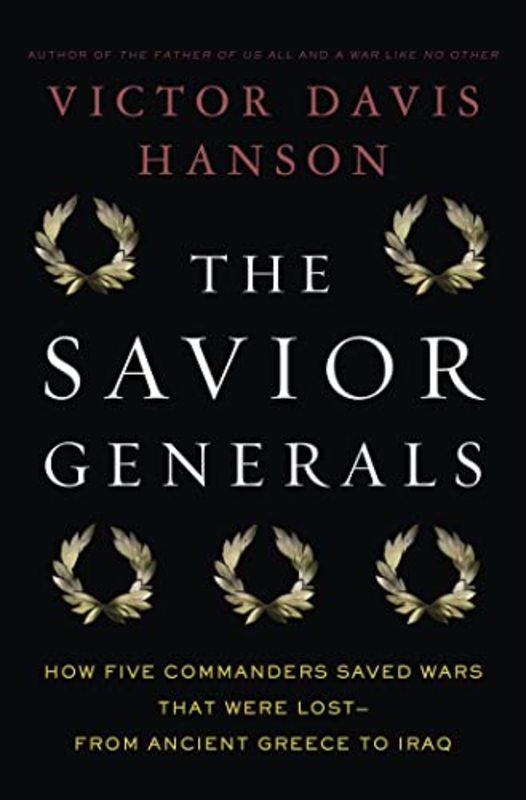
The Savior Generals
by Victor Davis Hanson
2013
Hanson profiles five 'savior generals'—from Themistocles to Matthew Ridgway and David Petraeus—who were called in when wars seemed lost. Each chapter explores how unconventional leadership, risk-taking, and unpopular decisions turned looming defeat into victory.
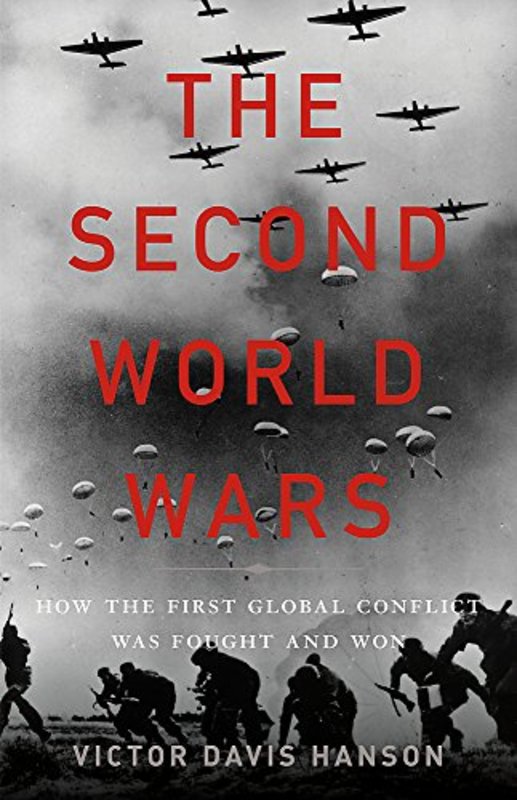
The Second World Wars
by Victor Davis Hanson
2017
A large-scale, thematic history of World War II that treats the conflict as several intertwined 'world wars' fought on land, at sea, and in the air. Hanson explains why the Axis powers could win battles but were doomed once the war became truly global.

The Case for Trump
by Victor Davis Hanson
2019
Hanson sets out an argument for how Donald Trump, an outsider with no prior political office, defeated both parties’ establishments and governed as a disruptive populist. He emphasizes Trump’s appeal to interior working-class voters and his willingness to challenge existing policy orthodoxies.
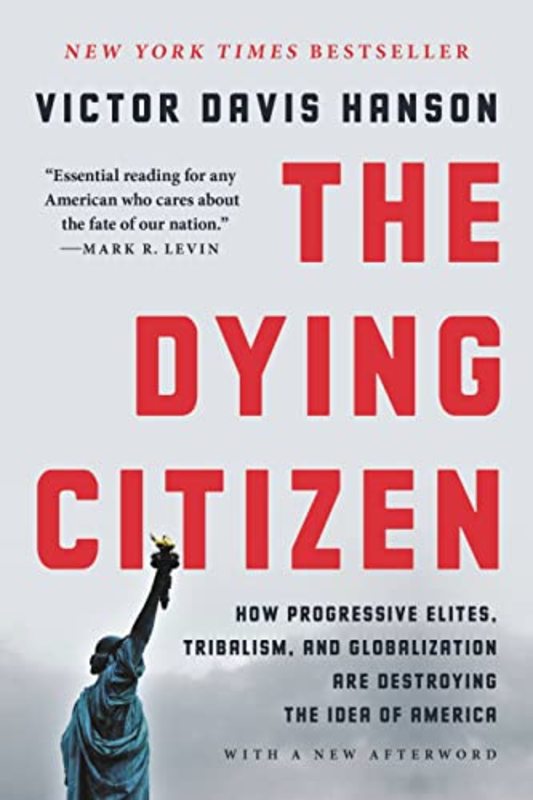
The Dying Citizen
by Victor Davis Hanson
2021
Blending history and polemic, Hanson argues that the American ideal of the self-governing citizen is eroding under pressure from identity politics, globalization, debt, and an unaccountable bureaucratic state. The book calls for restoring civic unity, borders, and a robust middle class.
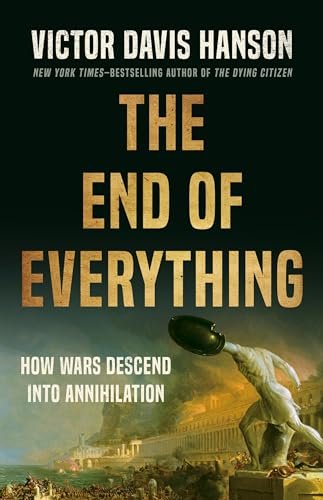
The End of Everything
by Victor Davis Hanson
2024
Focusing on the destruction of Thebes, Carthage, Constantinople, and Tenochtitlan, Hanson examines wars that ended not in compromise but in annihilation. He shows how miscalculation and overconfidence left once-powerful societies vulnerable to total defeat, and warns about similar risks today.
Where should I start?
If you want a deep dive into Greek warfare: The Western Way of War → Hoplites → The Wars Of The Ancient Greeks → A War Like No Other.
If you’re curious how war shapes civilization: Carnage and Culture → Ripples of Battle → The Father of Us All → The Second World Wars.
If you prefer personal and agrarian stories: Fields Without Dreams → The Land Was Everything → Mexifornia.
If you’re here for current politics and citizenship: An Autumn of War → Between War and Peace → The Case for Trump → The Dying Citizen → The End of Everything.
Author bio
Victor Davis Hanson is a classicist, military historian, and essayist who moves between the ancient Mediterranean and today’s headlines.
He was born in 1953 and grew up on his family’s raisin and tree-fruit farm outside Selma in California’s Central Valley, a property his relatives had been working since the nineteenth century. His parents, a school administrator and one of California’s first female judges, expected hard work from their children.
As a boy he pruned vines, drove tractors, and worked alongside mostly Mexican American crews, experiences that later shaped his writing on agriculture and immigration. At the same time he fell for the Greek and Latin authors he met in high school and college.
Hanson earned a B.A. in classics from the University of California, Santa Cruz in 1975, studied at the American School of Classical Studies in Athens, and completed his Ph.D. in classics at Stanford University in 1980.
Instead of heading straight into a traditional academic career, he went home to farm full-time. For several years he tried to keep the family operation afloat until falling grape prices pushed him to look for other work, eventually driving to nearby California State University, Fresno to ask for a teaching job. There he founded a new classics program in 1984 and taught Greek, Latin, and ancient history for roughly two decades.
Over the years Hanson has held visiting posts at places like Stanford University, the U.S. Naval Academy, and Hillsdale College, and in 1991 he received the American Philological Association’s national teaching award for excellence in Greek and Latin instruction. He later became the Martin and Illie Anderson Senior Fellow at the Hoover Institution and in 2007 was awarded the National Humanities Medal, followed by the Bradley Prize in 2008.
His early books dug into the gritty details of ancient warfare and rural life. Warfare and Agriculture in Classical Greece and The Western Way of War examined hoplite battle from the ground up, while The Other Greeks and Fields Without Dreams argued that small farmers and citizen-soldiers sit at the heart of both Greek democracy and American civic culture.
Later works widened the lens. In Carnage and Culture, The Soul of Battle, A War Like No Other, The Wars Of The Ancient Greeks, and The Second World Wars, Hanson compares classical campaigns with modern conflicts, asking why Western armies fight as they do and what that says about the societies behind them.
He has also become a prominent commentator on American politics and society. Books such as Mexifornia, An Autumn of War, Between War and Peace, The Case for Trump, The Dying Citizen, and The End of Everything mix history, memoir, and polemic to explore immigration, terrorism, citizenship, and the fragility of powerful states.
Hanson still splits his time between the Hoover Institution and the family farm near Selma, pruning vines, writing weekly columns, and arguing that old texts and hard soil can still teach Americans how to face new crises.


Edited by
Software engineer whose passion for tracking book recommendations from podcasts inspired the creation of MRB.
Lead investor at 3one4 Capital whose startup expertise and love for books helped shaped MRB and its growth.
Comments
Did we miss something? Have feedback?
Help us improve this page by sharing your thoughts