
Daphne du Maurier Books in Order
This page gathers Daphne du Maurier books in order, with brief summaries, background on her life and novels, and guidance on the best place to start reading.
Last updated:
As an Amazon Associate, we earn from qualifying purchases (at no extra cost to you).
Daphne du Maurier books in publication order
44 books
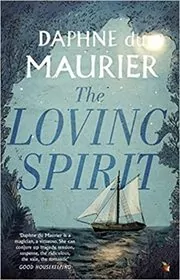
The Loving Spirit
by Daphne du Maurier
1931
A family saga set in a Cornish shipbuilding town, following four generations of the Coombe family and the schooner named Janet Coombe. Longing for the sea, pride and old resentments shape their fortunes across storms, voyages and betrayals.

I'll Never Be Young Again
by Daphne du Maurier
1932
A disillusioned young man on the brink of suicide is pulled back by a chance meeting with an older drifter. Together they roam across Europe and Scandinavia, forcing him to confront desire, responsibility and what it really means to grow up.
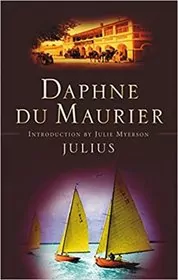
Julius
by Daphne du Maurier
1933
Born poor in a North African slum, Julius rises to become a wealthy London businessman with a ruthless streak. His hunger for power and control warps every relationship around him in a dark study of ambition and moral emptiness.

Gerald
by Daphne du Maurier
1935
Daphne du Maurier's portrait of her father, the actor-manager Sir Gerald du Maurier, tracing his London stage career and complicated private life. Drawn from family memories, it shows both the charm that captivated audiences and the vulnerabilities hidden backstage.
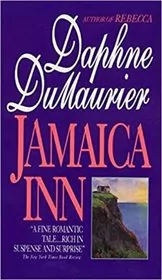
Jamaica Inn
by Daphne du Maurier
1936
After her mother's death, Mary Yellan travels to bleak Bodmin Moor to live with her aunt and brutal uncle at the isolated Jamaica Inn. There she uncovers a smuggling and wrecking operation that draws her into danger on the wild Cornish coast.
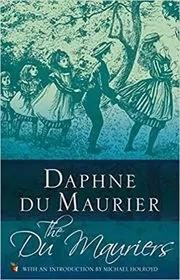
The Du Mauriers
by Daphne du Maurier
1937
This family chronicle recreates the lives of the du Maurier ancestors who left France for Victorian England. Blending fact and storytelling, it follows their fortunes in art, theatre and high society, setting the background for Daphne du Maurier's own generation.
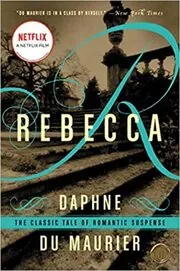
Rebecca
by Daphne du Maurier
1938
A young woman marries widower Maxim de Winter and moves to his Cornish estate, Manderley. There she is haunted by the memory of his first wife Rebecca, and by the housekeeper who seems determined to keep Rebecca alive.
Recommended by
1 person Taylor Swift recommended this book
Taylor Swift
"When I was reading [this book] there was a part of me that was relating to that because at some point in my life I felt that way, and so I ended up writing the song 'Tolerate.'" - Taylor Swift
Taylor Swift's recommendation of this book
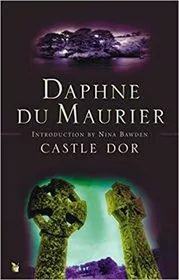
Castle Dor
by Daphne du Maurier
1940
In 19th century Cornwall, a Breton onion seller and a newly married local woman are drawn into a passionate, doomed affair that echoes the legend of Tristan and Iseult. The novel shifts between everyday village life and the pull of an older, fatal story.
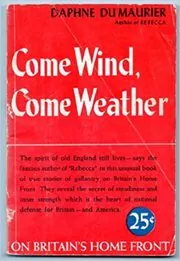
Come Wind, Come Weather
by Daphne du Maurier
1940
This short book collects real-life stories of ordinary Britons in the early years of the Second World War. Du Maurier shows how people facing invasion, loss and hardship search for inner courage, faith and a new moral direction.
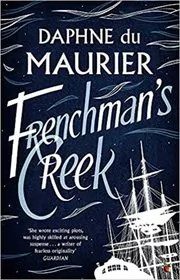
Frenchman's Creek
by Daphne du Maurier
1941
Restless with London society, Lady Dona St Columb retreats to her husband's Cornish estate and discovers it is the secret base of a cultured French pirate. Drawn to his dangerous freedom, she must choose between respectable life and a brief, illicit adventure.
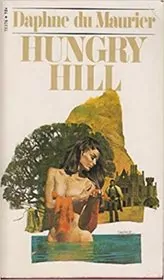
Hungry Hill
by Daphne du Maurier
1943
A sweeping tale of the Brodrick family, Anglo-Irish landowners whose fortunes are tied to a copper mine on Hungry Hill from 1820 to 1920. Each generation inherits both wealth and a growing curse, as greed, violence and history grind the dynasty down.
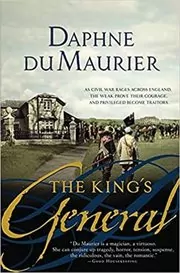
The King's General
by Daphne du Maurier
1946
Set in Cornwall during the English Civil War, the story is narrated by Honor Harris, left disabled after a riding accident. From her wheelchair she watches her former lover, the charismatic Royalist general Richard Grenvile, bring war, loyalty and betrayal to Menabilly.
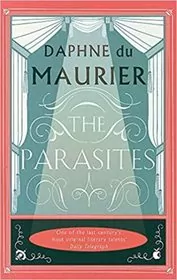
The Parasites
by Daphne du Maurier
1949
Maria, Niall and Celia Delaney grow up on the fringes of the theatre, feeding on the glamour and success of their gifted parents. As adults their tangled loyalties, rivalries and unspoken desires force them to ask whether they are creating art or simply living off others.
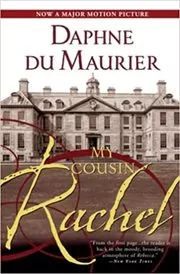
My Cousin Rachel
by Daphne du Maurier
1951
Orphaned Philip Ashley idolises his guardian cousin Ambrose, then grows to suspect Ambrose's widow Rachel of murder. When Rachel arrives in Cornwall, Philip falls under her spell, unsure whether she is victim or poisoner in a tense, ambiguous gothic mystery.
The Apple Tree
by Daphne du Maurier
1952
This collection gathers some of Daphne du Maurier's finest uncanny tales, including the story of a widower who believes a gnarled apple tree holds his dead wife's spirit. Everyday settings slide into horror as guilt, obsession and the natural world turn threatening.
The Little Photographer
by Daphne du Maurier
1952
In a sun-baked French resort, a bored marquise begins a flirtation with the local photographer to relieve her ennui. Their affair shifts from holiday game to something far darker, exposing cruelty and class contempt beneath an elegant surface.
The Young George Du Maurier
by Daphne du Maurier
1952
A selection of letters written by artist and novelist George du Maurier between 1860 and 1867, edited by his granddaughter Daphne. The correspondence reveals his early struggles, friendships and creative life before fame as a caricaturist and author.
Happy Christmas
by Daphne du Maurier
1953
On Christmas Eve a comfortable English family reluctantly shelters a destitute refugee couple over the garage. By morning the visitors have gone and a baby has been born, leaving the household shaken in a modern parable about hospitality, prejudice and quiet miracles.
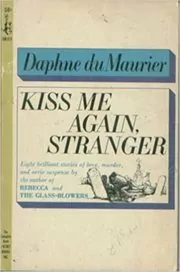
Kiss Me Again, Stranger
by Daphne du Maurier
1953
Named for the eerie title story about a shy mechanic and a cinema usherette with a disturbing secret, this collection offers eight tales of love, danger and the uncanny. Chance meetings and ordinary nights out turn into encounters with violence and obsession.
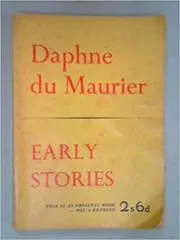
Early Stories
by Daphne du Maurier
1954
This volume gathers eighteen stories written in du Maurier's early twenties, before her first novel. Ranging from romantic encounters to eerie character studies, they show the young writer experimenting with voice, mood and the seeds of the themes she returned to later.
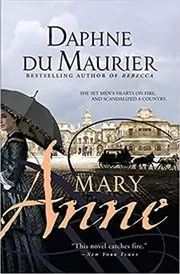
Mary Anne
by Daphne du Maurier
1954
Drawing on her own ancestor Mary Anne Clarke, du Maurier tells of a clever girl who escapes London poverty to become mistress to the Duke of York. Her ambition and wit carry her into the heart of Regency scandal in a vivid piece of historical fiction.
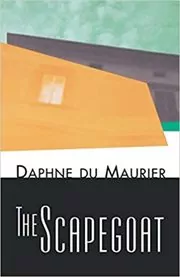
The Scapegoat
by Daphne du Maurier
1957
Holidaying in France, an English academic meets his exact double, a dissolute French count. After a night of drinking he wakes to find their identities swapped and must navigate the count's crumbling estate, secrets and resentful family while deciding who he wants to be.
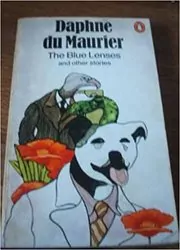
The Breaking Point/The Blue Lenses and Other Stories
by Daphne du Maurier
1959
A collection of long stories in which apparently stable lives crack under pressure, from a woman who wakes from surgery seeing people with animal heads to an ordinary man planning the perfect crime. Each tale pushes a character to the moment everything gives way.
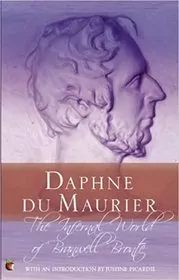
The Infernal World of Branwell Bronte
by Daphne du Maurier
1960
Du Maurier's biography of Branwell Bronte traces the gifted brother of Charlotte, Emily and Anne from promising childhood to self-destruction. Using letters and family documents, she tries to rescue him from legend and understand the forces that ruined his talent.
The Treasury of Du Maurier Short Stories
by Daphne du Maurier
1960
A hefty omnibus bringing together many of Daphne du Maurier's best known tales of suspense, romance and the macabre. It offers readers a single volume tour through her world of haunted houses, obsessive love affairs and unsettling twists.
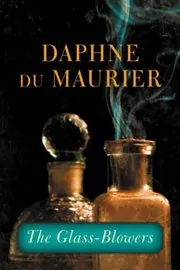
The Glass-Blowers
by Daphne du Maurier
1963
Through the story of the Busson family, master glassblowers in provincial France, this novel follows artisans caught up in the upheavals of the French Revolution. Narrator Sophie Duval looks back on decades of ambition, loyalty and betrayal as her family struggles to survive.
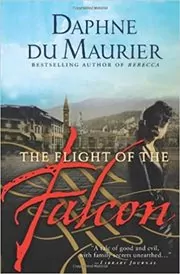
The Flight of the Falcon
by Daphne du Maurier
1965
Tour guide Armino Fabbio returns to his Italian hometown of Ruffano and finds it ruled by his charismatic brother Aldo, leader of a brutal student movement. As an elaborate festival approaches, past and present violence converge in a modern echo of an old ducal legend.
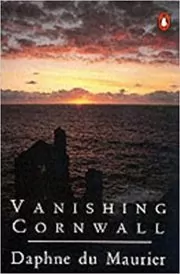
Vanishing Cornwall
by Daphne du Maurier
1967
In this illustrated travel book, du Maurier explores Cornwall's landscape, history and legends, from moorland and fishing villages to ghost stories and old industries. Part guide, part meditation, it records a region she loved and feared was disappearing under modern tourism.
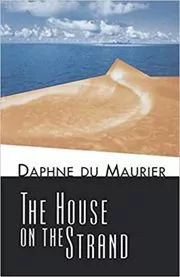
The House on the Strand
by Daphne du Maurier
1969
Staying at a friend's house in Cornwall, Dick Young tests an experimental drug that sends his mind back to the 14th century while his body wanders the present. Addicted to the past he observes, he risks his marriage, sanity and even his life as both worlds collide.
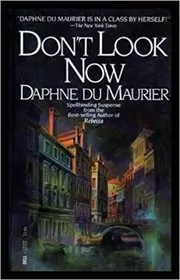
Don't Look Now
by Daphne du Maurier
1971
In this classic short story, grieving parents John and Laura holiday in Venice after their daughter's death. When they meet two elderly sisters, one claiming to see the dead child, John's scepticism clashes with a series of eerie sightings that build to a shocking climax.
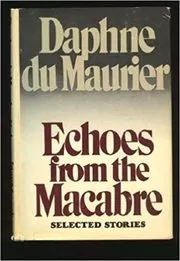
Echoes From the Macabre
by Daphne du Maurier
1971
This selection brings together nine of du Maurier's most unsettling stories, including The Birds and Don't Look Now. Ordinary people on holidays, country lanes and quiet coasts stumble into visions, doubles and dangers that leave them with no safe place to run.

Rule Britannia
by Daphne du Maurier
1972
In a near future where Britain has left Europe and entered a fraught union with the United States, a retired actress and her granddaughter watch Marines land in their Cornish village. Their rambling house becomes a base for resistance in a satirical, uneasy political fable.
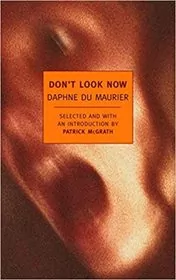
Don't Look Now and Other Stories
by Daphne du Maurier
1973
This collection gathers five longer stories of slow-burning horror and mystery, led by Don't Look Now with its grieving couple in Venice. Other tales follow pilgrims, schoolteachers and scientists whose lives are derailed by visions, accidents and experiments they cannot control.
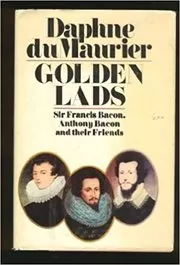
Golden Lads
by Daphne du Maurier
1975
A double biography of brothers Francis and Anthony Bacon, exploring their lives at the court of Elizabeth I and James I. Du Maurier follows Anthony's work as a spy and Francis's rise as thinker and statesman, foregrounding friendships, secrets and political intrigue.
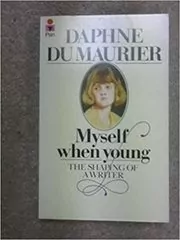
Myself When Young
by Daphne du Maurier
1977
An autobiographical memoir drawn from du Maurier's teenage and early adult diaries, describing her London childhood, discovery of Cornwall and first attempts at fiction. It shows how a shy, imaginative girl slowly shaped herself into a working writer.
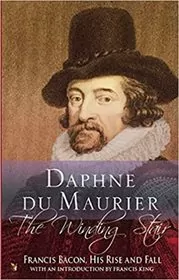
The Winding Stair
by Daphne du Maurier
1977
A companion biography to Golden Lads, this book traces Sir Francis Bacon's rise to high office and spectacular fall on charges of corruption. Du Maurier focuses on his character, loyalties and compromises rather than legal technicalities, making a complex life approachable.
The Rendezvous and Other Stories
by Daphne du Maurier
1980
Fourteen stories spanning du Maurier's career explore romance, disillusionment, nostalgia and sudden menace. People who think they know their own lives find themselves overtaken by chance meetings, old obsessions or a single impulsive choice that cannot be undone.

Split Second and Other Stories
by Daphne du Maurier
1981
Centred on tales like Split Second, in which an ordinary day turns terrifying after a brief blackout, this volume collects suspenseful shorter pieces. Du Maurier shows how a single moment or decision can throw a seemingly safe life into chaos.
The Rebecca Notebook and Other Memories
by Daphne du Maurier
1981
A companion to Rebecca that prints the novel's original outline and epilogue alongside essays and family reminiscences. Du Maurier writes about finding the real house behind Manderley and about the people and places that shaped her imagination.
Daphne du Maurier's Classics of the Macabre
by Daphne du Maurier
1987
An illustrated anthology of six of du Maurier's most chilling stories, including The Birds, The Apple Tree and Don't Look Now. Rich artwork underscores the atmosphere as familiar landscapes slide into nightmare and characters face uncanny fates.
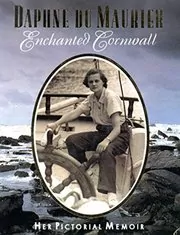
Enchanted Cornwall
by Daphne du Maurier
1989
In this pictorial memoir, completed late in life, du Maurier reflects on her decades in Cornwall and the houses, coves and woods that inspired her fiction. Photographs and essays together create an intimate portrait of a writer in love with a particular landscape.

Letters from Menabilly
by Daphne du Maurier
1993
Edited by Oriel Malet, this volume presents decades of letters sent by du Maurier from her Cornish home, Menabilly. Candid and often funny, they reveal her family life, writing worries and the friendships that sustained her away from public attention.
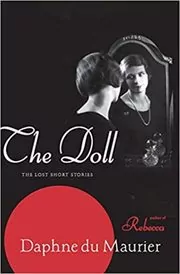
The Doll
by Daphne du Maurier
2011
This collection of early, previously lost stories showcases du Maurier's fascination with desire, control and loneliness. From the obsessive narrator of The Doll to fragile marriages and manipulative friends, the pieces foreshadow the emotional tangles of her later work.

After Midnight
by Daphne du Maurier
2025
This anthology gathers thirteen of du Maurier's darkest stories, among them The Birds, Don't Look Now and The Blue Lenses. Ranging from quiet psychological pieces to outright horror, it highlights her gift for turning everyday situations into something uncanny.
Where to start with Daphne du Maurier
If you want her defining gothic novel: Rebecca.
If you like windswept historical adventures: Jamaica Inn → Frenchman's Creek → Hungry Hill.
If you enjoy morally ambiguous psychological stories: My Cousin Rachel → The Scapegoat → The Parasites.
If you want the uncanny and time travel: The House on the Strand → Don't Look Now and Other Stories.
If you prefer short, chilling reads: The Apple Tree → Echoes From the Macabre → After Midnight.
Daphne du Maurier collections, short stories, and related book types
Short Story Collections
Non-Fiction
Standalone Daphne du Maurier books
Author bio
Daphne du Maurier was born in London on 13 May 1907, the middle daughter of actor-manager Sir Gerald du Maurier and actress Muriel Beaumont. She grew up between the family home in Hampstead and long holidays in Fowey on the south coast of Cornwall, where the harbour, creeks and woods would shape her imagination for the rest of her life.
As a child she moved in theatrical circles, watching her father perform and meeting writers and actors who were family friends. Offstage she was a quiet, self-contained girl who preferred reading, walking and inventing stories to social life. Cornwall in particular gave her a sense of freedom. The cliffs, ruined houses and changeable weather became a private landscape she returned to again and again on the page.
In her late teens she spent time in Paris, polishing her French and beginning to publish short pieces. Back in England she filled notebooks with stories and kept detailed diaries, slowly realising that writing could be more than a pastime. Her first novel, The Loving Spirit, appeared in 1931. Rooted in Cornish shipbuilding history, it announced many of the concerns that would define her work, from haunted places to complicated family loyalties.
A year later she married army officer Frederick "Boy" Browning, whose visit to Fowey after reading The Loving Spirit led to their meeting. The couple eventually settled in Cornwall, most famously at Menabilly, the secluded house hidden in woods above the sea that inspired Manderley. While Browning’s military career took him away for long stretches, du Maurier wrote steadily, often working in a hut or a small room apart from the bustle of family life with their three children.
Her breakthrough came with Rebecca in 1938, a novel she once described as a study in jealousy. Set in a great house on the Cornish coast, it combined gothic atmosphere, psychological tension and an unforgettable opening line. Film director Alfred Hitchcock adapted Rebecca and later drew on her story The Birds, bringing her work to an even wider audience, though she was always more interested in the writing than in the publicity that followed.
Across novels such as Jamaica Inn, Frenchman’s Creek, Hungry Hill, My Cousin Rachel, The Scapegoat, The King’s General and The House on the Strand, she moved between historical settings and contemporary ones. Certain patterns repeat: isolated houses, characters who are outsiders, and relationships where affection and power are tangled together. She liked to leave questions open, inviting readers to argue over whether a character was innocent or dangerous, or whether the supernatural was truly at work.
Her shorter fiction gave her room to push those ideas further. Stories like The Birds, Don’t Look Now, The Blue Lenses and The Apple Tree begin in ordinary farms, cities or holiday resorts, then tilt slowly into menace. Many were later collected and re-collected in volumes that kept her name in front of new generations of readers.
From the 1930s onwards she also wrote non-fiction. She produced a frank portrait of her father in Gerald: A Portrait, traced her French glassmaking ancestors in The Glass-Blowers, re-examined Branwell Brontë in The Infernal World of Branwell Brontë and wrote two studies of Francis Bacon in Golden Lads and The Winding Stair. Her memoir Myself When Young and her books on Cornwall, including Vanishing Cornwall and Enchanted Cornwall, show the same eye for place and character that runs through her novels.
Du Maurier valued privacy and often let the books speak for her. She was appointed a Dame Commander of the Order of the British Empire in 1969 but made little of the title in daily life. In later years she lived at Kilmarth, near Par in Cornwall, walking the cliffs, reading and continuing to write.
She died there on 19 April 1989. Since then her work has rarely been out of print. Readers still come to her for strong stories, unsettling moods and that distinctive blend of romance, fear and ambiguity that lingers long after the last page.




Edited by
Software engineer whose passion for tracking book recommendations from podcasts inspired the creation of MRB.
Lead investor at 3one4 Capital whose startup expertise and love for books helped shape MRB and its growth.
Comments
Did we miss something? Have feedback?
Help us improve this page by sharing your thoughts