
Charles Dickens Books in Order
Explore Charles Dickens books in order, with quick summaries, reading suggestions, and notes on his major novels, shorter works, and where to begin.
Last updated: June 11, 2026
As an Amazon Associate, we earn from qualifying purchases (at no extra cost to you).
Publication Order
65 books
Sketches by Boz
by Charles Dickens
1836
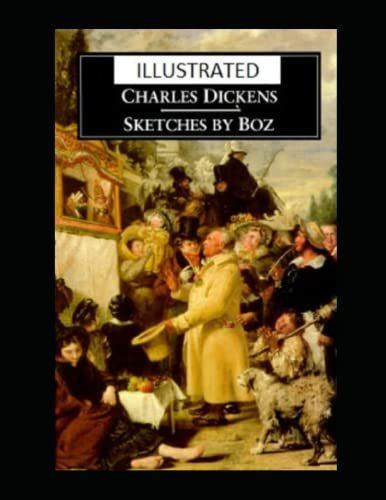
This lively early collection tours London streets, lodging houses, theaters, and taverns through comic sketches and sharp observation. It shows the young Dickens learning how to turn everyday city life into character and story.
Sunday under Three Heads
by Charles Dickens
1836
In this early pamphlet, Dickens argues against strict Sunday laws by imagining three different Sabbaths, as they are, as reformers would make them, and as they might be. It is journalism sharpened into satire.
The Black Veil
by Charles Dickens
1836
A young doctor's first patient is a mysterious woman in mourning who asks him to wait for a man already close to death. The result is a short, eerie tale of guilt, secrecy, and a shocking bedside revelation.
The Pickwick Papers
by Charles Dickens
1837
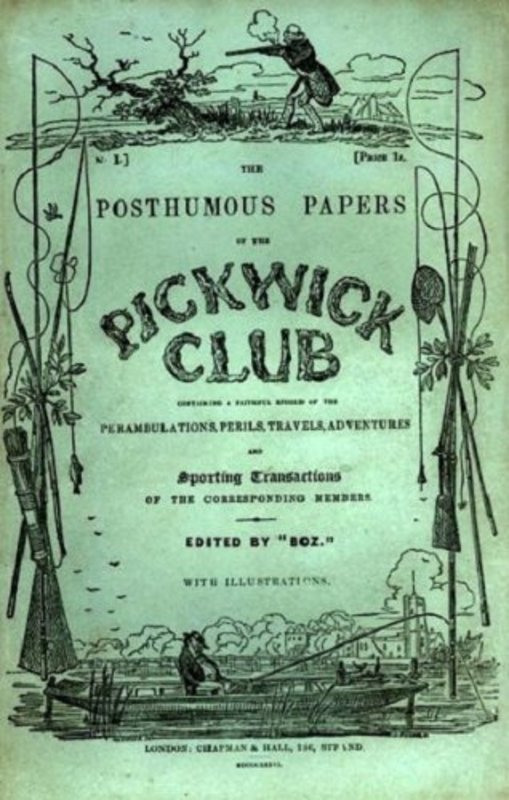
Mr. Pickwick and his companions set out on a series of comic journeys through inns, courts, and country towns. What begins as a loose travel comedy gradually becomes a generous, funny portrait of friendship and English life.
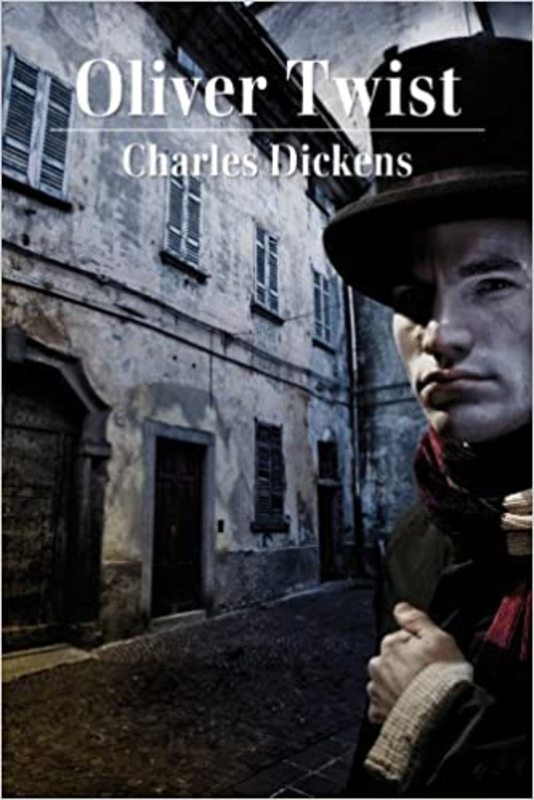
Oliver Twist
by Charles Dickens
1838
Raised in a workhouse and thrust into London's criminal underworld, Oliver tries to keep his innocence amid hunger, crime, and exploitation. Dickens pairs unforgettable villains with a fierce attack on the treatment of the poor.
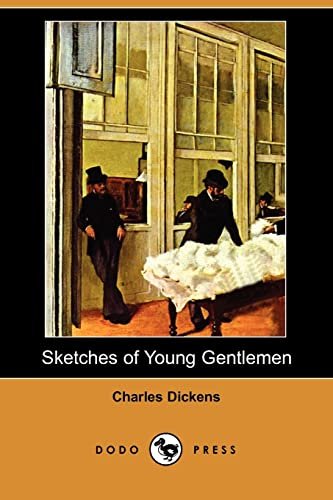
Sketches of Young Gentlemen
by Charles Dickens
1838
Dickens pokes fun at fashionable young men, bores, dandies, and social climbers in a series of comic character sketches. It is brief, sharp, and full of the observational humor that fed his early fiction.
The Lamplighter
by Charles Dickens
1838
Tom Grig, a cheerful lamplighter, is swept into a comic tangle of prophecies, mistaken identity, and improbable courtship. This short piece shows Dickens enjoying absurd situations, eccentric old men, and theatrical farce.
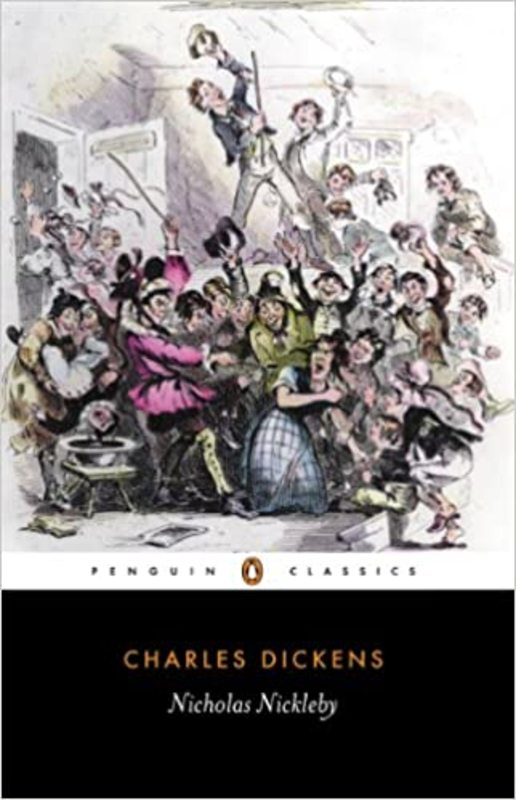
Nicholas Nickleby
by Charles Dickens
1839
After his father's death, Nicholas must protect his mother and sister while facing the brutal Yorkshire school run by Wackford Squeers. It blends comic energy with anger at cruelty, greed, and sham respectability.
Barnaby Rudge
by Charles Dickens
1841
Set against the Gordon Riots of 1780, this historical novel follows gentle Barnaby, his raven Grip, and a web of buried crimes. Dickens combines domestic secrets with scenes of mob violence and public frenzy.
Master Humphrey's Clock
by Charles Dickens
1841
Part frame tale, part weekly miscellany, this volume gathers stories, sketches, and the fictional circle around Master Humphrey. It is also the home from which Dickens launched longer narratives like The Old Curiosity Shop.
Master Humphrey's Clock, Volume 2
by Charles Dickens
1841
This second volume continues Dickens's weekly blend of storytelling, character sketches, and serial fiction under Master Humphrey's name. It carries readers deeper into the expansive world that links fireside talk with larger Victorian narratives.
Old Curiosity Shop
by Charles Dickens
1841
Little Nell and her grandfather flee London, pursued by the grotesque moneylender Quilp and their own desperate circumstances. Dickens turns a wandering adventure into a story of innocence, obsession, and mounting sorrow.
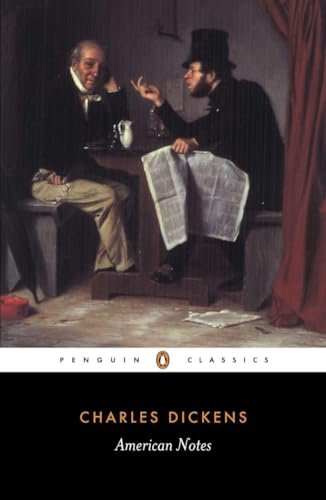
American Notes For General Circulation
by Charles Dickens
1842
Drawn from Dickens's 1842 American tour, this travel book records his excitement, disappointment, and blunt criticism. He writes about cities, prisons, slavery, and public life with the eye of a curious, often irritated visitor.
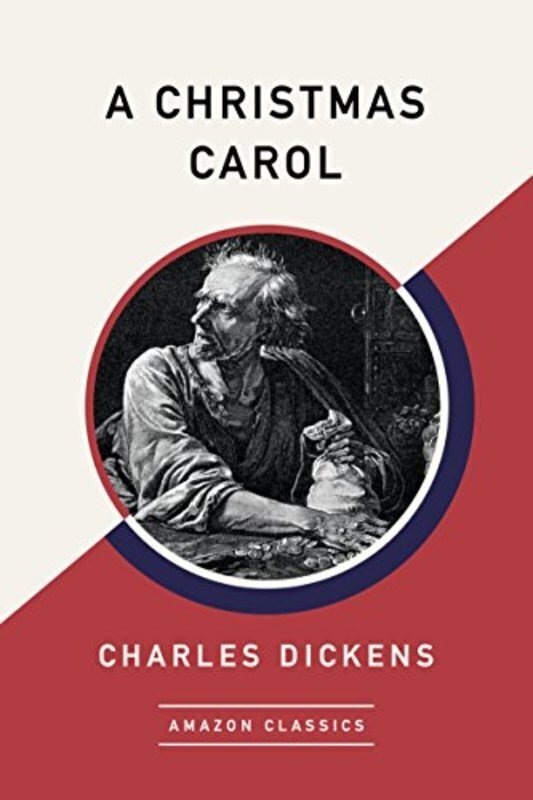
A Christmas Carol
by Charles Dickens
1843
Ebenezer Scrooge is visited by four spirits on Christmas Eve and forced to face the life he has made. Short, sharp, and warmhearted, it turns a ghost story into a tale of conscience and change.
Recommended by:
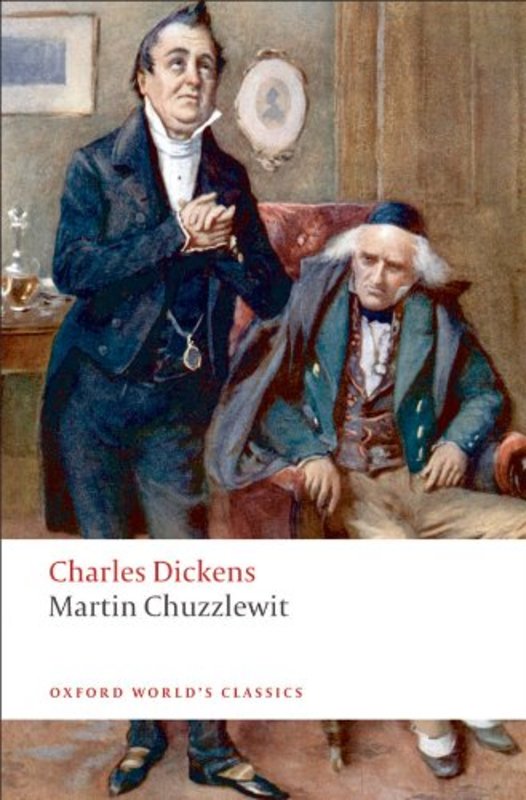
Martin Chuzzlewit
by Charles Dickens
1844
Selfish young Martin sets out to make his way while the oily Pecksniff and a swarm of grasping relatives circle the family fortune. Dickens uses the journey to satirize hypocrisy, greed, and false self-importance.
The Chimes
by Charles Dickens
1844
Trotty Veck, a poor ticket porter, falls asleep on New Year's Eve and sees a bleak vision of what despair can do. Dickens turns a Christmas fantasy into a protest against contempt for the poor.
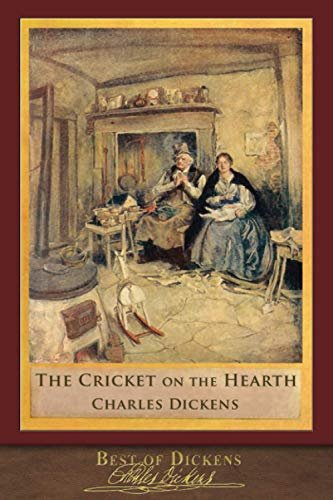
The Cricket on the Hearth
by Charles Dickens
1845
In this domestic Christmas tale, carrier John Peerybingle begins to suspect secrets at home, only to learn how appearances mislead. It is cozy on the surface, but Dickens keeps the tension running beneath the warmth.
Pictures from Italy
by Charles Dickens
1846
These travel sketches follow Dickens through Italian cities, churches, streets, theaters, and roadside scenes. The book is less about plot than presence, capturing what caught his eye, amused him, or made him stop and stare.
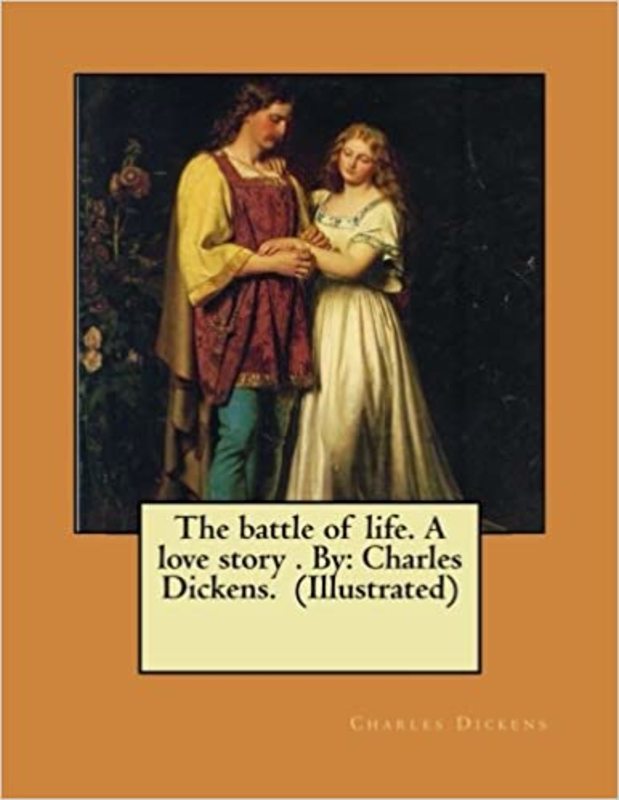
The Battle of Life
by Charles Dickens
1846
Unlike Dickens's darker Christmas books, this one centers on two sisters, a village doctor, and a quiet act of self-sacrifice. The story is gentle, sentimental, and more interested in love and misunderstanding than ghosts.
Dombey and Son
by Charles Dickens
1848
Paul Dombey cares more for his firm and hoped-for heir than for the daughter who loves him. Dickens follows the family through pride, loss, and collapse in one of his sharpest novels about money and feeling.
The Haunted Man and the Ghost's Bargain
by Charles Dickens
1848
Chemist Redlaw accepts a ghostly bargain that can erase painful memories, then discovers what compassion looks like when suffering is forgotten as well. Dickens wraps a Christmas fantasy around memory, resentment, and second chances.
The Life of Our Lord
by Charles Dickens
1849
Written privately for his children, this simple retelling of the life of Jesus strips away ornament and focuses on kindness, humility, and forgiveness. It is Dickens in an unusually direct and personal mode.
A Child's Dream of a Star
by Charles Dickens
1850
A child loses his beloved sister and later other family members, but keeps dreaming of a bright star that promises reunion. The story is brief, tender, and openly meditative about grief, faith, and memory.
David Copperfield
by Charles Dickens
1850
David grows from a bruising childhood into early independence, bad choices, heartbreak, and a writing life of his own. Told in the first person, it is Dickens's most intimate coming-of-age novel.
Recommended by:
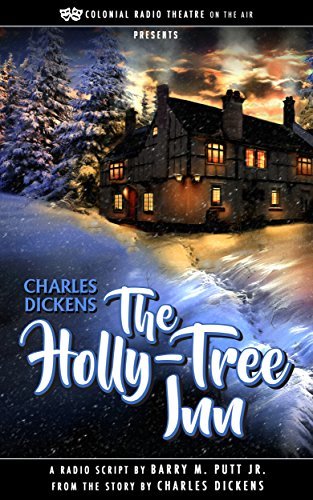
The Holly Tree Inn
by Charles Dickens
1850
Set around an inn at Christmas, this trio of stories moves from Alpine crime to runaway children and kindly servants. Dickens uses the shared setting to balance mystery, comedy, and a warm belief in unexpected fellowship.

To Be Read at Dusk
by Charles Dickens
1852
Couriers gathered in the Alps swap uncanny stories, including one about an English bride haunted by a face she has seen in a dream. Dickens leaves the line between coincidence and the supernatural unsettlingly open.
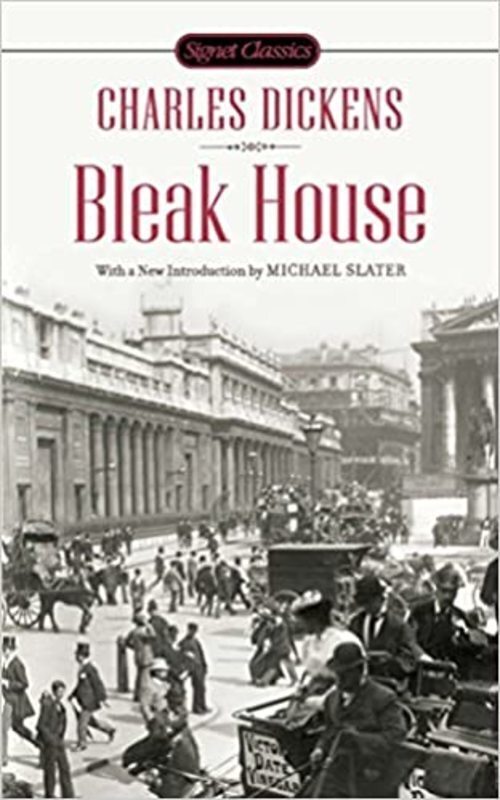
Bleak House
by Charles Dickens
1853
A never-ending lawsuit draws Esther Summerson, Lady Dedlock, and a crowd of lawyers, clerks, and strivers into one tangled story. Dickens mixes satire, mystery, and social anger in a vast portrait of a system that ruins lives.
Recommended by:
A Child's History of England
by Charles Dickens
1854
Written for his own children, this brisk history carries young readers from ancient Britain to the seventeenth century in Dickens's vivid, opinionated voice. It is more storytelling than textbook, with clear heroes and villains.
Hard Times
by Charles Dickens
1854
In Coketown, Thomas Gradgrind's worship of facts shapes the lives of Louisa, Tom, Sissy Jupe, and Stephen Blackpool. This is Dickens at his most direct about industry, education, and the cost of treating people like machines.
The Seven Poor Travellers
by Charles Dickens
1854
On Christmas Eve in Rochester, Dickens joins the residents of a charitable lodging house and shares stories with them around the fire. The frame is festive, but the tales inside carry war, hardship, and unexpected grace.
Little Dorrit
by Charles Dickens
1855
Amy Dorrit grows up in the Marshalsea debtors' prison, quietly holding her family together while Arthur Clennam uncovers long-buried wrongs. Dickens turns prisons, paperwork, and money into a powerful story about dependence and freedom.
The Hanged Man's Bride
by Charles Dickens
1857
Two travelers in an old inn hear a disturbing tale tied to a hanging, a haunted room, and unfinished business from the past. It is an early Dickens ghost story, more eerie confession than outright horror.
The Lazy Tour of Two Idle Apprentices
by Charles Dickens
1857
Written with Wilkie Collins, this comic travelogue follows two idle friends on a wandering trip through northern England. Accidents, inns, scenery, and playful self-mockery matter more than destination.
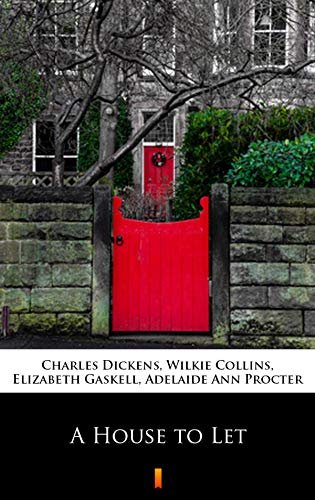
A House to Let
by Charles Dickens
1858
In this collaborative Christmas story, an invalid gentlewoman becomes obsessed with a seemingly empty house opposite her London lodgings. Strange figures at the windows and unexplained comings and goings lead to an inquiry that uncovers a hidden charitable enterprise.
The Poor Traveller / Boots at the Holly-Tree Inn
by Charles Dickens
1858
This pairing brings together one reflective Christmas piece about charity and one comic, tender inn story told by the Boots. Both show Dickens at his best with travelers, winter settings, and unexpected human kindness.
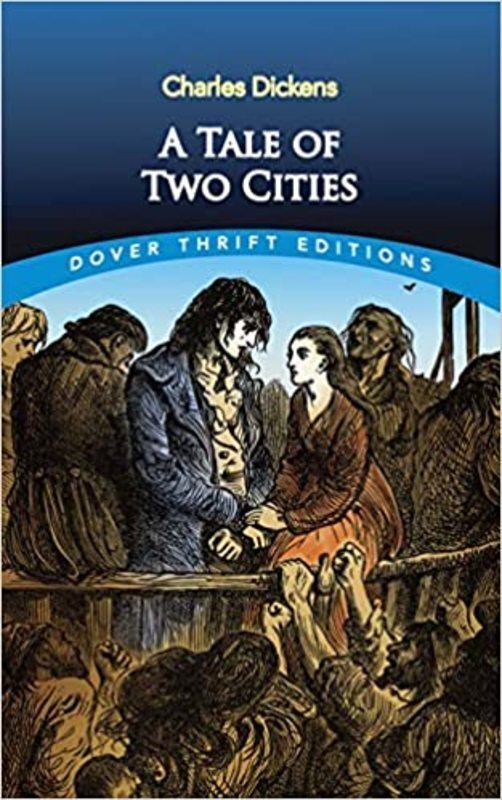
A Tale of Two Cities
by Charles Dickens
1859
Set in London and revolutionary Paris, this novel follows Charles Darnay, Lucie Manette, and Sydney Carton as private loyalties collide with public terror. Dickens builds the story toward one of his most famous acts of sacrifice.
Recommended by:
J.K. Rowling, Amelia Boone, Oprah Winfrey, Christopher Hitchens, Mahatma Gandhi, Maya Angelou
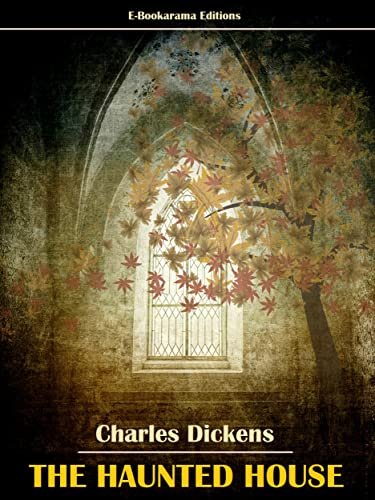
The Haunted House
by Charles Dickens
1859
A narrator and his friends move into a house rumored to be haunted, each taking a separate room and telling a tale of what follows. The result is a collaborative Christmas ghost book full of strange moods and uneasy memories.
A Message from the Sea
by Charles Dickens
1860
A bottle from the sea brings troubling news to a Cornish fishing village and forces a young man to question an inheritance touched by dishonesty. Dickens mixes stormy atmosphere with duty, romance, and family revelation.
Great Expectations
by Charles Dickens
1861
When orphan Pip receives mysterious money, he imagines he can become a gentleman and win Estella. Dickens turns his rise into a searching story about class, shame, ambition, and what real loyalty looks like.
Recommended by:
Reprinted Pieces
by Charles Dickens
1861
This collection gathers Dickens's essays and sketches on travel, city streets, public institutions, and odd corners of daily life. It is a good window into the reporter and observer who never stopped turning experience into prose.
Somebody's Luggage
by Charles Dickens
1862
When abandoned luggage turns up at an inn, a talkative waiter becomes the guide to a chain of linked Christmas stories. Dickens uses the frame for social comedy, vivid voices, and a gentle mystery about the absent owner.
Mrs Lirriper
by Charles Dickens
1863
This book gathers the Mrs. Lirriper stories around a practical, kindhearted London landlady and the busy house she keeps. Dickens uses her voice to mix humor, household trouble, sentiment, and small acts of decency.
Mrs. Lirriper's Legacy
by Charles Dickens
1864
This follow-up sends Mrs. Lirriper from her familiar lodgings into a more emotional tangle of missing family, old mistakes, and forgiveness. Her steady, chatty voice keeps the story warm even when the secrets turn painful.
Mrs. Lirriper's Lodgings
by Charles Dickens
1864
Mrs. Lirriper runs a London lodging house with common sense, warmth, and a sharp eye for trouble. Through her rooms and boarders, Dickens builds a humane picture of domestic muddles, class pressures, and everyday loyalty.
Our Mutual Friend
by Charles Dickens
1865
A fortune made from London's dust heaps links mistaken identity, ambitious marriage plans, and the river's darker traffic. Dickens's last completed novel is crowded, funny, and grim, with money always warping the people around it.
Doctor Marigold
by Charles Dickens
1866
A traveling cheap jack tells his own story of loss, rough humor, and deep affection for the deaf girl he raises as his daughter. Dickens gives the showman's patter real feeling without sanding off his edge.

Mugby Junction
by Charles Dickens
1866
A chance stop at a busy railway junction opens into a set of linked Christmas stories about strangers, missed lives, and sudden connection. The railway setting gives Dickens room for comedy, melancholy, and one unforgettable ghost tale.
The Complete Ghost Stories of Charles Dickens
by Charles Dickens
1866
This volume brings together Dickens's supernatural tales, from Christmas apparitions to railway hauntings and uncanny confessions. If you know him only for the big novels, it is a good reminder of how much he liked to unsettle readers.
The Signalman and Other Horrors
by Charles Dickens
1866
This collection gathers Dickens's eeriest tales, from railway warnings and uncanny doubles to haunted houses and Christmas spectres. It is the darker side of his imagination, where suspense and moral unease travel together.
No Thoroughfare
by Charles Dickens
1867
Written with Wilkie Collins, this fast-moving mystery begins with a mistake at a foundling hospital and widens into fraud, pursuit, and danger across Europe. It has the pace of a thriller with Dickensian energy underneath.
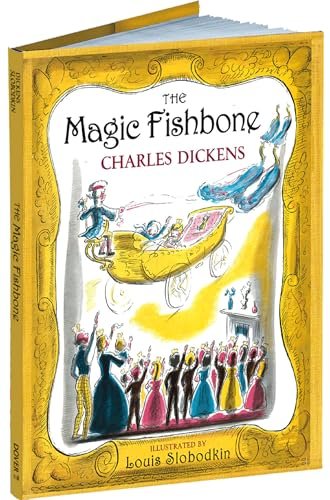
The Magic Fishbone
by Charles Dickens
1867
Princess Alicia receives a magical fishbone that can solve one great problem, if she waits for exactly the right moment. Dickens turns fairy-tale rules and family chaos into a quick, playful story for children.
George Silverman's Explanation
by Charles Dickens
1868
George Silverman, a shy scholar and clergyman, looks back on a life shaped by dependence, manipulation, and a disastrous attempt to do the right thing. It is a quiet, sad late story about conscience and self-erasure.
Holiday Romance
by Charles Dickens
1868
Told through playful child narrators, these linked stories turn crushes, make-believe, and household adventures into a small comic epic. Dickens catches how seriously children take their games, and how funny adults look from their side.
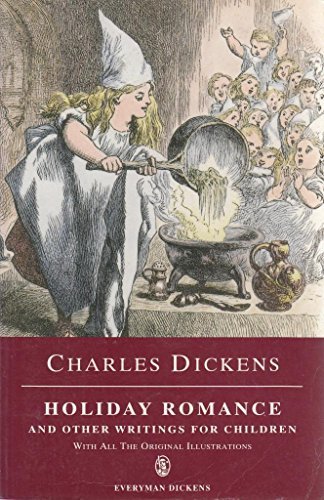
Holiday Romance and Other Writings for Children
by Charles Dickens
1868
This collection gathers Dickens's children's tales, mixing playful fantasy, child narrators, and moral warmth without turning preachy. It is lighter than the novels, but the wit and feeling are recognizably his.

The Uncommercial Traveller
by Charles Dickens
1869
In these essays, Dickens wanders London and beyond as the Uncommercial Traveller, noticing workhouses, theaters, railways, back streets, and chance encounters. It is part journalism, part memoir, and full of the restless curiosity that fed his fiction.
The Mystery of Edwin Drood
by Charles Dickens
1870
Edwin Drood disappears in the cathedral city of Cloisterham, leaving suspicion to gather around his opium-using uncle, John Jasper. Dickens died before finishing it, but the surviving chapters make a tense and fascinating mystery.
Mudfog and Other Papers Contributed to Bentley's Miscellany
by Charles Dickens
1880
These early comic pieces mix mock politics, social satire, and playful sketches from Dickens's magazine work. They are rougher than the novels, but you can already hear his appetite for caricature, absurdity, and urban bustle.
Select Short Fiction
by Charles Dickens
1976
A sampler of Dickens's shorter work, this collection moves between comedy, ghost story, social observation, and pathos. It is a handy way to see how flexible he was outside the long novels.
The Signalman & Other Ghost Stories
by Charles Dickens
1984
Built around Dickens's famous railway ghost story, this collection gathers eerie tales of warnings, doubles, and haunted minds. The best pieces are tense and atmospheric, with just enough moral pressure beneath the chill.
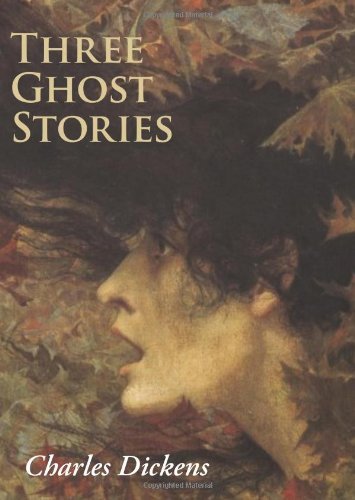
Three Ghost Stories
by Charles Dickens
1998
This slim volume collects The Haunted House, The Trial for Murder, and The Signal-Man. Together they show Dickens using ghosts less for shock than for dread, guilt, and the strange persistence of the past.
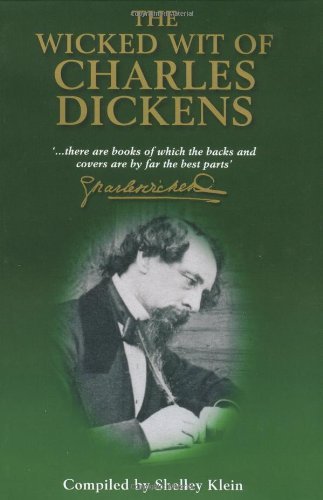
Wicked Wit of Charles Dickens
by Charles Dickens
2002
This anthology pulls together Dickens's sharpest jokes, put-downs, comic observations, and verbal flourishes. It is less a single narrative than a quick tour through the lively, mocking side of his prose.
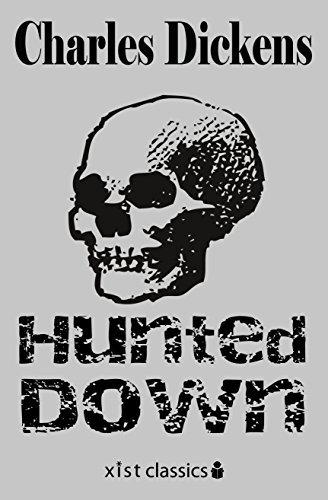
Hunted Down
by Charles Dickens
2016
An insurance investigator watches a charming man too closely and realizes he may be in the presence of a poisoner. Short and tense, this is Dickens in detective mode, driven by observation rather than sentiment.
Christmas Stories / Christmas Books
by Charles Dickens
2018
This collection gathers Dickens's Christmas books and seasonal stories, mixing ghosts, hearthside comedy, and social feeling. It is the best place to see how fully he made winter, memory, and moral reckoning his own.
Charles Dickens Supernatural Short Stories
by Charles Dickens
2020
This collection gathers Dickens's ghostly and uncanny tales, where apparitions, warnings, and guilty memories keep breaking into everyday life. It is a strong reminder that the supernatural was one of his favorite ways to test character.
Night Walks and Other Essays
by Charles Dickens
2020
These essays follow Dickens through city streets after dark and into other corners of ordinary life. They blend restless movement, social observation, and personal reflection in prose that feels both intimate and alert.
Where should I start?
If you want the quickest way in: A Christmas Carol → Oliver Twist → Great Expectations
If you want Dickens at his most personal: David Copperfield → Great Expectations
If you want the big social panoramas: Bleak House → Little Dorrit → Our Mutual Friend
If you want the comic early books: Sketches by Boz → The Pickwick Papers
Author bio
Charles Dickens was born in Portsmouth on February 7, 1812, and spent much of his childhood in Chatham, in Kent. Those early years mattered. He wandered streets, docks, and country lanes, watched people closely, and stored away the kinds of details that would later make his fiction feel so crowded and alive. His father, John Dickens, worked as a clerk in the navy pay office, and the family lived with charm, energy, and chronic money trouble.
Then childhood gave way fast.
When Dickens was twelve, his father was sent to the Marshalsea prison for debt, and Charles was taken out of school to work in a blacking warehouse, pasting labels on bottles. He felt that experience as a humiliation, and he carried it for the rest of his life. You can see it again and again in his books, in frightened children, hungry boys, debtors' prisons, shabby lodging houses, and adults who use power carelessly.
He did not begin as a novelist. He worked in a lawyer's office, learned shorthand, and became a reporter, first in the courts and then in Parliament. That training gave him two lasting tools, an ear for how people really sound, and a reporter's habit of noticing systems, institutions, and the small facts that show how a city works.
The pieces that first made readers notice him were the London sketches later collected as Sketches by Boz. Then came The Pickwick Papers, which made him famous at astonishing speed. By the mid 1830s he had also married Catherine Hogarth, and before long he was writing at a furious pace while supporting a large family and managing the demands of serial publication.
A lot of readers still meet Dickens through A Christmas Carol, and that makes sense. It is short, vivid, funny, and full of moral force without feeling heavy. Others start with Oliver Twist, where the workhouse and the criminal underworld show his anger at cruelty, or with David Copperfield, his most personal novel, which follows a bruised boy into adulthood and a writing life. If you want the bigger, denser books, Bleak House and Great Expectations show how sharply he could write about law, class, money, disappointment, and self-deception.
Certain Dickens patterns show up almost everywhere. London is his great stage, but so are prisons, schools, counting houses, inns, factories, riverbanks, and courts. He loved eccentrics, clerks, strivers, swindlers, neglected children, and people who are comic right up until they become painful. He kept returning to the same hard questions, what poverty does to a family, what institutions do to ordinary people, and whether kindness can survive inside a very unfair world.
He was busy off the page too.
Dickens edited journals, including Household Words and All the Year Round, traveled in America and Europe, and threw himself into public causes. In later life he became hugely popular as a public reader, performing scenes from his own books before large crowds with an actor's intensity. He eventually settled at Gad's Hill Place in Kent, a house he had admired as a boy, and kept up a punishing workload almost to the end.
He died in 1870, leaving The Mystery of Edwin Drood unfinished. That unfinished ending suits him in a strange way, because Dickens always wrote as if life were still rushing onward, with more voices coming in from the street and more people waiting their turn. His books still feel like that, busy, funny, wounded, angry, and very much awake.

Edited by
Software engineer whose passion for tracking book recommendations from podcasts inspired the creation of MRB.
Lead investor at 3one4 Capital whose startup expertise and love for books helped shaped MRB and its growth.
Comments
Did we miss something? Have feedback?
Help us improve this page by sharing your thoughts